
Vulnerability & Indigenous People
OUR PROJECTS
PRECARITY VULNERABILITY EXCLUSION
EXPERTISE ON A WIDE RANGE OF ISSUES (FOOD, ENERGY, LOSS OF AUTONOMY, HOUSING…)
A better understanding of social issues makes it possible to propose tailored solutions.
Access to basic services is a right for all, yet it remains marked by inequality.
Vulnerable populations are less resilient to impacts and require specific support.
- Analysis of social groups and their practices
- Evaluation of public policies, mechanisms, action programs, and projects
- Literature reviews, diagnostics, action research
- Perception studies and social impact assessments
- Identification of needs and expectations, potential, barriers, strengths, and levers for action
- Mobilizing, uniting, and supporting social actors
- Training
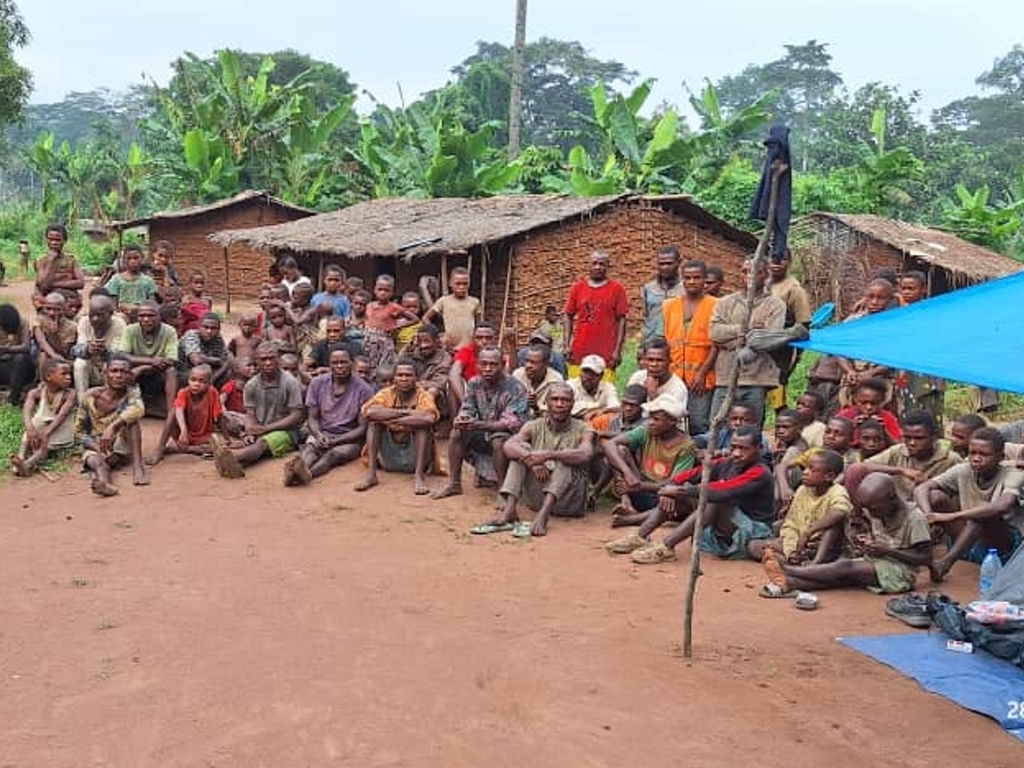
SOCIAL IMPACTS & VULNERABILITIES – INDIGENOUS PEOPLES & FOREST CONCESSIONS
STC / TEREA
CONGO – 2025
Support mission for evaluating management mechanisms for indigenous populations around the Ipendja UFA (STC), including vulnerability analysis, training of social teams, and development of survey tools adapted to the cultural and social specificities of indigenous communities, with the aim of strengthening compliance with OLB and PEFC certifications.

SOCIAL IMPACTS & VULNERABILITIES – FORCED EVICTIONS AND LEGACY ISSUES IN PROTECTED AREAS
2025
Analysis of the interpretation of the application guide for Article 19 of AFD’s exclusion list, concerning prior forced evictions in conservation and reforestation projects, accompanied by methodological recommendations for addressing legacy issues.

ACTION RESEARCH – MOBILIZATION, CAPACITY BUILDING, SOCIAL COHESION AND PARTICIPATION
FRANCE / 2024-2025
This project aims to strengthen Shakirail’s openness to the neighborhood by hosting residents’ initiatives. The challenges and objectives are multiple and form the basis of an 18-month action research: meeting the need for spaces for local projects, empowering residents, enhancing decision-making capacity, promoting access to cultural rights, fostering social diversity, providing urban infrastructure for the most vulnerable, and moving toward co-construction of a common good for the territory.
.

SOCIAL IMPACTS & INDIGENOUS PEOPLES – TOOLS TO PROMOTE THE INCLUSION OF LOCAL COMMUNITIES AND INDIGENOUS PEOPLES
REPUBLIC OF CONGO / 2024
The mission aims to support a forest concession in developing operational tools compliant with IFC performance standards, enabling better consideration of local communities and, in particular, indigenous peoples living in the area: drafting an operational roadmap to transition from FSC certification to IFC compliance, a Stakeholder Engagement Plan (SEP), and an Indigenous Peoples Plan.
.
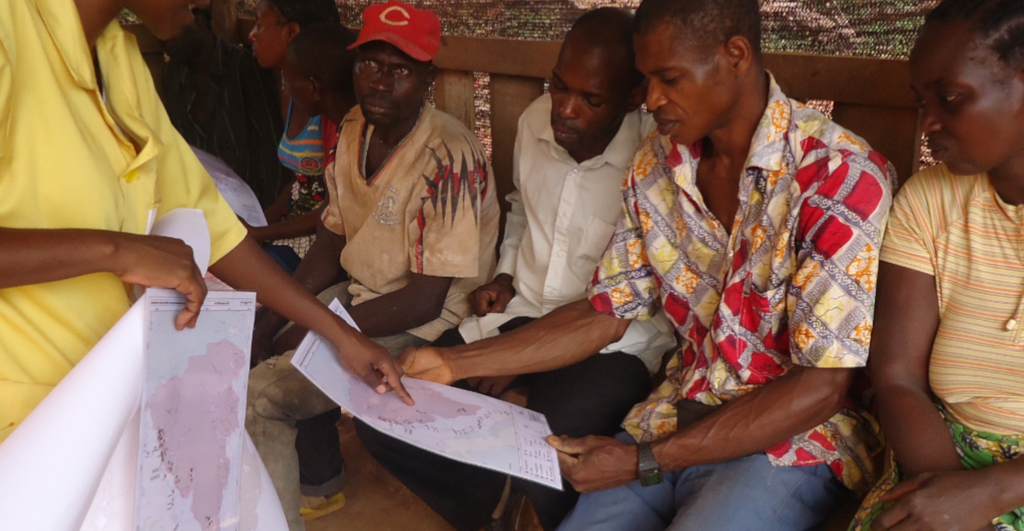
PRECARITY & VULNERABILITIES – SUPPORT FOR CAPITALIZING PRACTICES THAT PROMOTE GOOD RELATIONS BETWEEN FORESTRY COMPANIES AND LOCAL COMMUNITIES & INDIGENOUS PEOPLES
AGRECO / PPFNC Project
REPUBLIC OF CONGO / 2023
The mission involves assessing the strategy and effectiveness of information, awareness, and consultation tools used with CLPA. It also seeks to identify ways to improve company practices while addressing new regulatory requirements related to Free, Prior and Informed Consent (FPIC). Finally, the goal is to define a generic methodological approach for companies.
PRECARITY & VULNERABILITIES & FOOD – SURVEY ON THE EFFECTS OF THE URBAN FARM PROJECT ON FOOD INSECURITY
FRANCE (Montreuil) / 2023
The urban farm project by On Sème Tous is located in Montreuil, in the QPV neighborhood of La Noue-Clos Français. Economic hardship in this area adds to food insecurity, exacerbated by the pandemic. Chronic diet-related diseases are overrepresented. The association therefore initiated a sociological study on residents’ eating habits and their perception of the project, aiming to better meet local needs and constraints while assessing the project’s impact on eating behaviors.
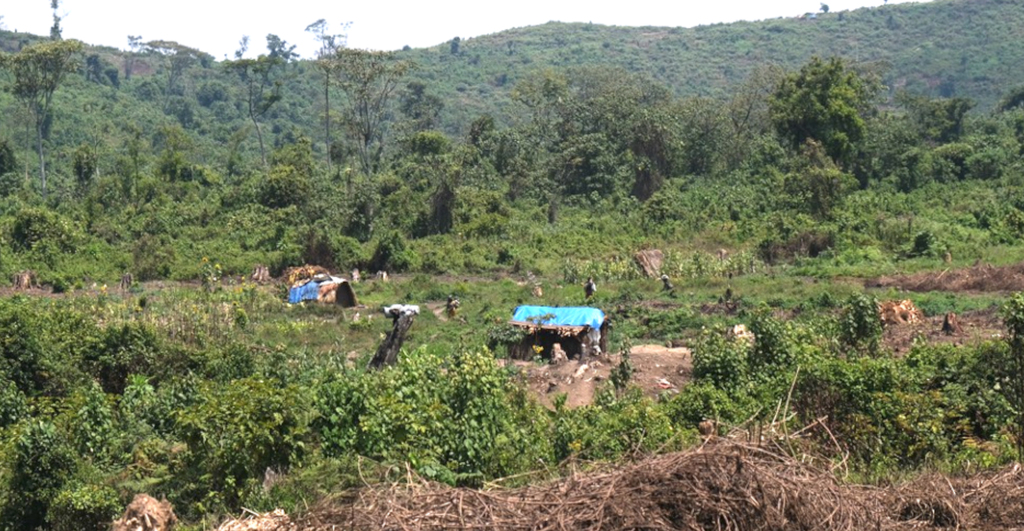
VULNERABILITIES & INDIGENOUS PEOPLES & ENVIRONMENT – SUPPORT MISSION FOR THE CONSERVATION AND STABILIZATION OF KAHUZI-BIEGA NATIONAL PARK (PNKB)
Agence française de développement (AFD)
DEMOCRATIC REPUBLIC OF CONGO / 2022-2023
The “Support for the Conservation and Stabilization of Kahuzi-Biega National Park” project seeks to improve biodiversity conservation by strengthening the rule of law and supporting socio-economic development of communities around PNKB. The mission focused on facilitating access to income-generating activities to stabilize the park and its periphery, with particular attention to indigenous women claiming their right to access ancestral spaces such as sacred sites and harvesting areas.
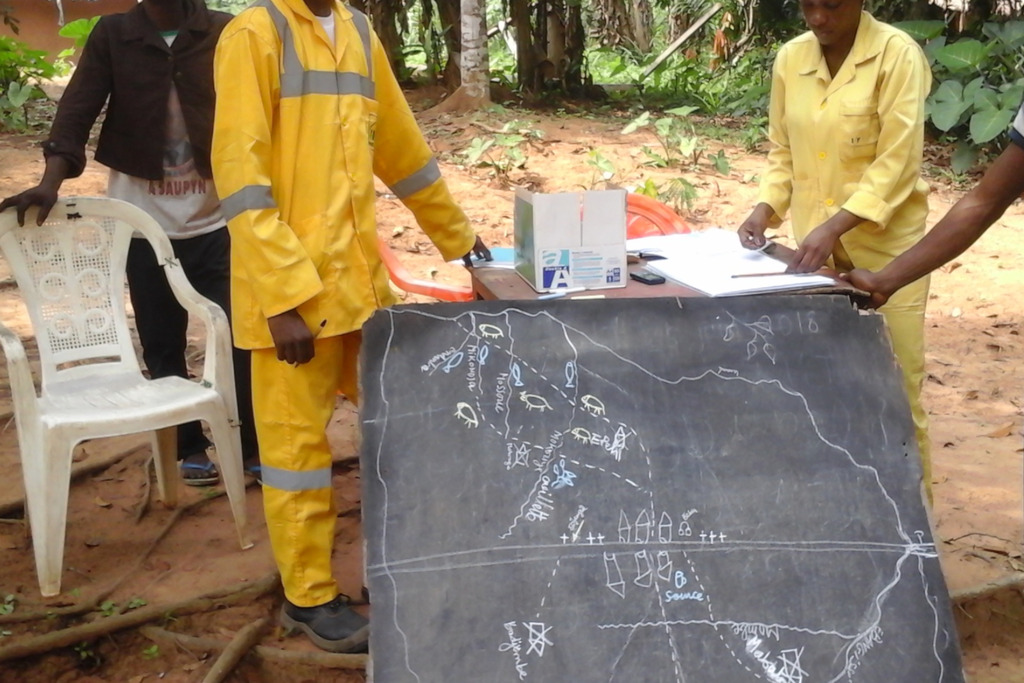
PRECARITY & VULNERABILITIES – INDIGENOUS PEOPLES AND FORESTRY COMPANIES
TEREA / AGRECO GEIE / CIRAD
REPUBLIC OF CONGO / 2022
The third specific objective of the North Congo Forest Landscape Project (PPFNC) is to strengthen sustainable forest management dynamics. Maintaining peaceful social relations with local communities and indigenous peoples is a major concern for forestry companies. To achieve this, companies must implement approaches based on FPIC and conflict and grievance management mechanisms, supported by appropriate information and awareness tools. IFO requested an evaluation of its tools and is open to improvements in line with the new provisions of the 2020 Forest Code.
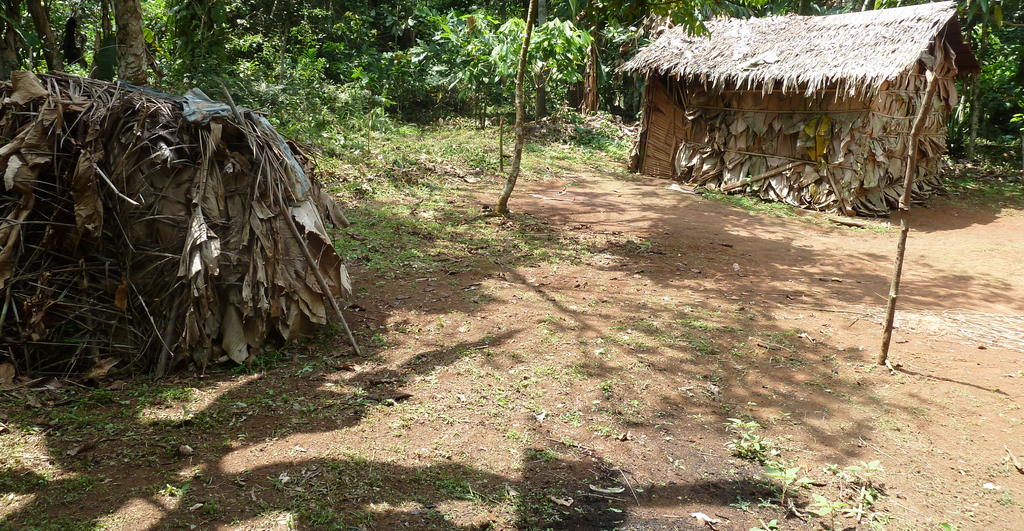
SOCIAL IMPACTS & PRECARITY & VULNERABILITIES – INDIGENOUS POPULATIONS IN THE FEASIBILITY STUDY OF THE SUSTAINABLE LAND USE PROGRAM (PUDT)
Agence française du développement (AFD) / ONF International
REPUBLIC OF CONGO / 2020-2021
As part of the feasibility study for the Sustainable Land Use Program (PUDT), our mission was to provide support in identifying the context and issues related to indigenous populations. This included assessing social risks and impacts, FPIC processes, grievance mechanisms, and stakeholder engagement frameworks. Ultimately, we were responsible for drafting the corresponding social sections of the FPP and PRODOC.
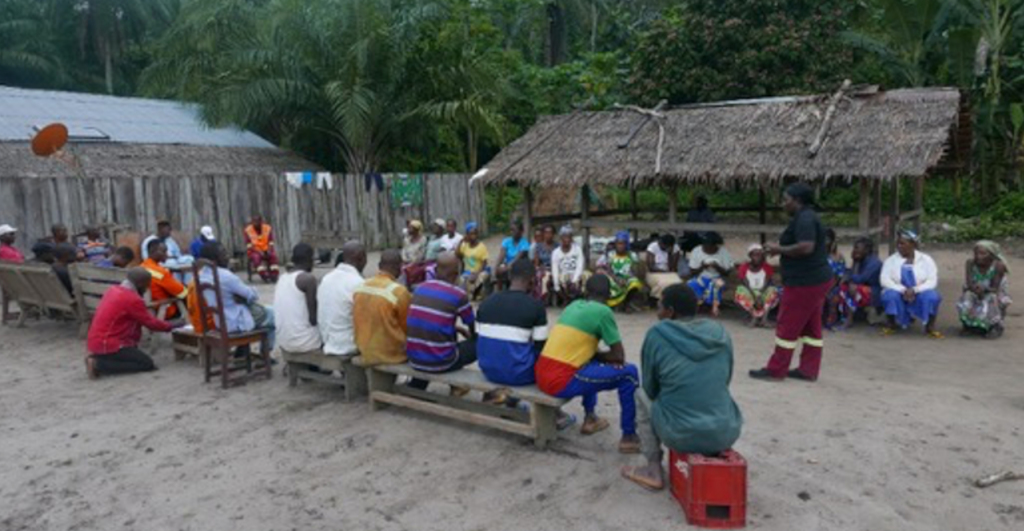
PRECARITY & EXCLUSION – SUPPORT MEASURES ON INDIGENOUS PEOPLES’ ISSUES
Compagnie industrielle du bois
CONGO / 2019-2021/2023
CIB has long implemented a zero-discrimination project. Despite these tools, inequalities in treatment and discriminatory practices between indigenous and non-indigenous people persist. These inequalities appear to stem from a lack of alignment between company procedures, approaches, and operations with indigenous realities. In this context, our mission was to identify internal practices that may perpetuate or lead to unequal treatment and discrimination against indigenous employees within CIB. Furthermore, we were tasked with formulating proposals to mitigate or even eliminate these inequalities and discriminatory practices.
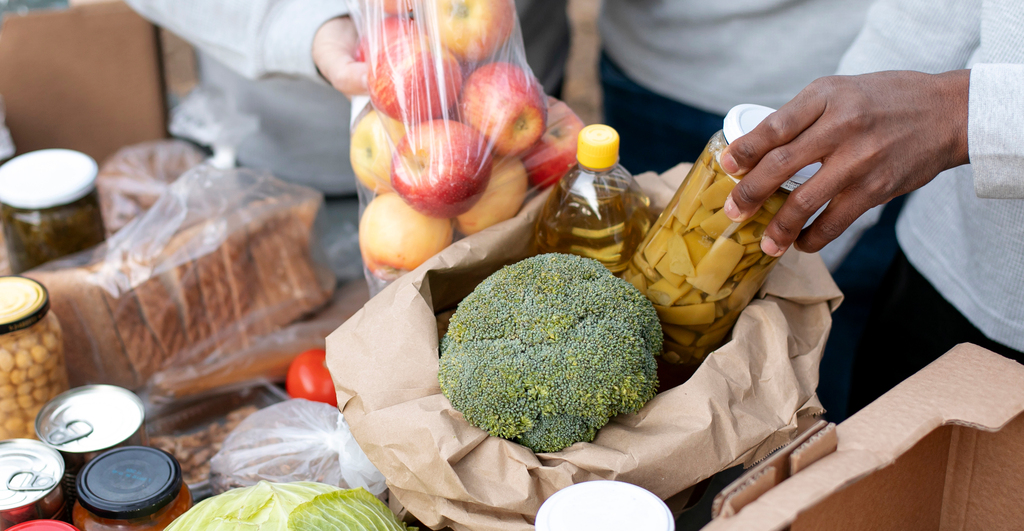
PRECARITY & VULNERABILITIES & FOOD – FOOD SYSTEM ACTORS AND ISSUES IN MONTREUIL
AnthropoLinks
FRANCE (Montreuil) / 2019-2020
AnthropoLinks launched a long-term initiative to map out the issues, actors, and ongoing initiatives related to food systems in Montreuil. Our focus is on challenges of precarity, food security, and sustainable food practices.
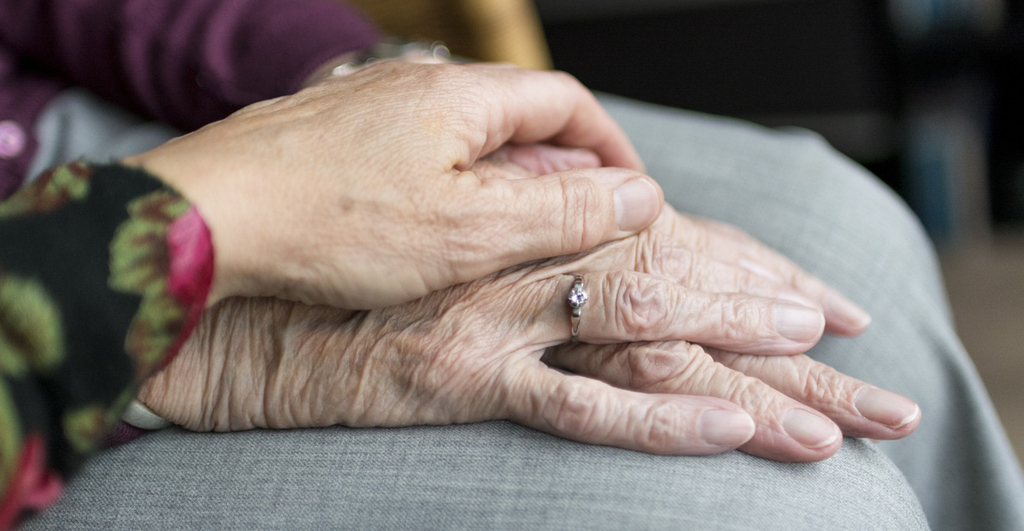
VULNERABILITIES – HOME CARE FOR PEOPLE WITH LOSS OF AUTONOMY
EDF / Vitaris
FRANCE / 2017-2019
There is strong interest in “aging well,” along with a shared desire to enable older people to remain in their homes. However, reality often proves different. Among the assistance options to facilitate home care, teleassistance is highly popular, partly addressing the fear of risk. Yet, the development of such services faces several challenges, notably a lack of knowledge. This study aimed to better understand the effects of aging and loss of autonomy for older people. We explored notions of privacy, social support, autonomy, and fragility for both the elderly and their caregivers.
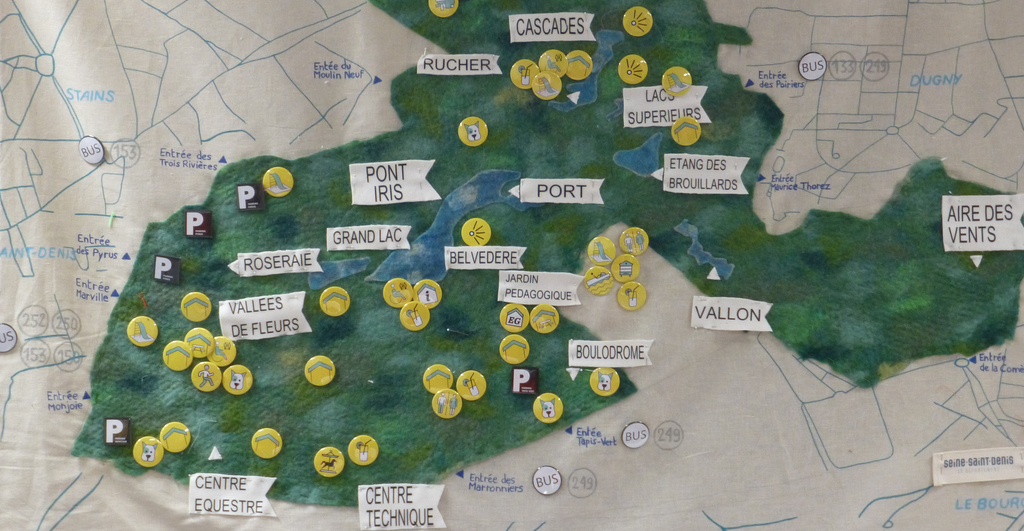
EXCLUSION – CULTURAL RIGHTS, INCLUSION AND PARTICIPATION
Maison des Suds / Département Seine-Saint-Denis / DRAC / Parc Georges Valbon
FRANCE (Dugny – Stains) / 2017
Maison des Suds is implementing the project “Park and Landscapes in Transition(s).” Its goal is to revitalize links between Parc Départemental Georges Valbon and the cities of Dugny and Stains through artistic and cultural actions and resident participation. The aim is to generate new methods for implementing public policies that are more cross-sectoral and cooperative, creating a leverage effect across frameworks where art and culture can be integrated. The project seeks to mobilize residents and users by drawing on their lived experiences and emotional connections to these territories.
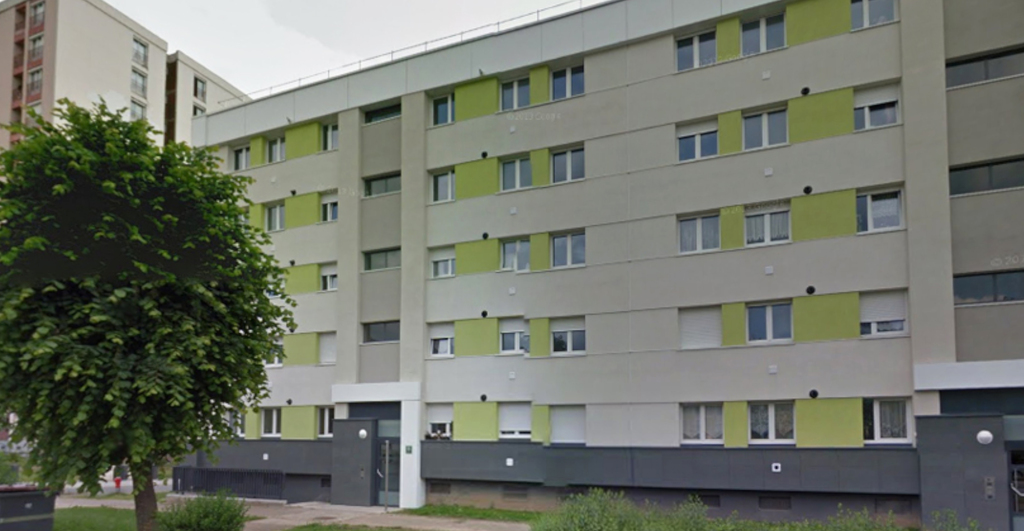
SOCIOLOGICAL STUDY – ENERGY POVERTY AND REBOUND EFFECTS
Association Régionale pour l’Habitat / CEREMA, la DREAL / Région Haut de France
FRANCE (Région Haut de France) / 2014-2016
In the Nord-Pas-de-Calais region, the FEDER 2007-2013 program prioritized energy rehabilitation of social housing. One of its main objectives was to reduce greenhouse gas emissions by lowering energy consumption, notably through renovating 50,000 homes per year, including 7,000 social housing units, over the next 40 years. We conducted a qualitative and quantitative sociological survey to understand how tenants appropriate their renovated homes and to analyze observed rebound effects through their discourse and practices.
SOCIOLOGICAL STUDY – CULTURAL RIGHTS
SMAU
FRANCE, SWITZERLAND / 2014-2016
This study aimed to understand the behaviors of residents in the Urban Area and Canton of Jura regarding existing cultural offerings. We considered both the cross-border dimension and the specificities of each territory. The goal was to assess the effectiveness of political and territorial tools implemented across cultural sectors. We examined how residents appropriate and experience cultural offerings and analyzed processes established by policymakers and professionals to develop these offerings. Finally, the study assessed the coherence between cultural policies and their impact on daily life in a cross-border context.
SOCIOLOGICAL STUDY – SANITARY CONDITIONS AND SANITATION PROJECTS
PSI
BENIN, GHANA, IVORY COAST / 2016
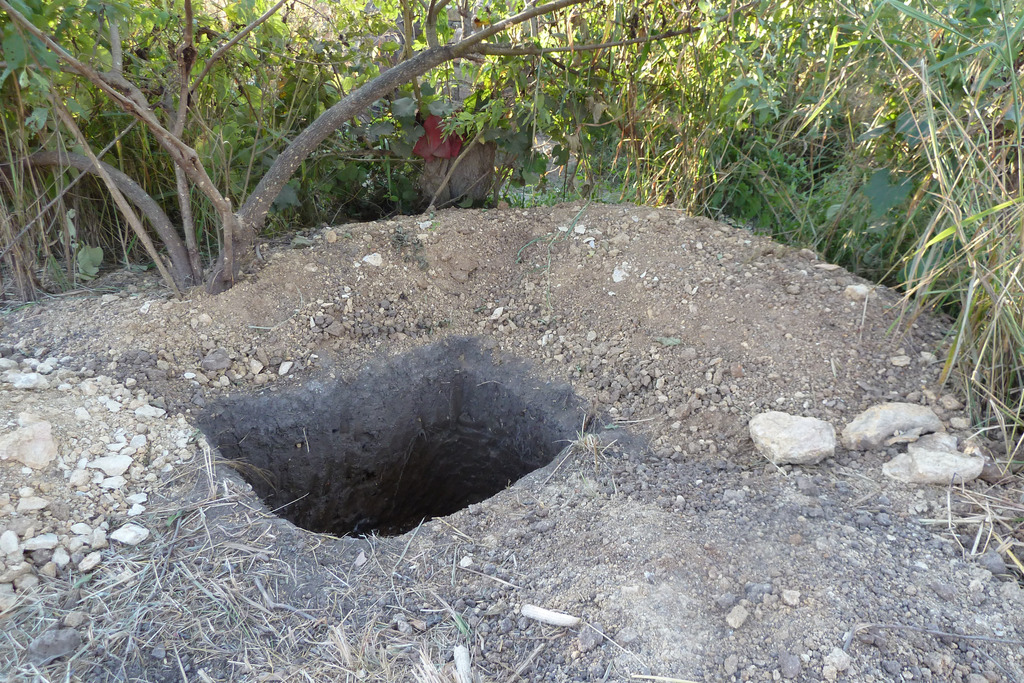
The study involved compiling and analyzing literature to understand key factors influencing sanitation decisions in shared living spaces, including the influence of the real estate market. Insights were used to inform project design, such as how housing markets affect sanitation solutions and how these solutions can be designed and marketed. Other topics explored included socio-anthropological perspectives on household financial management and traditional borrowing systems, which could inform sanitation financing. We also reviewed lessons from other countries on improving low-cost housing, tenant rights, and landlord incentives for better hygiene conditions.
ACCESS TO DRINKING WATER
VSI-Afrique / REGIDESO RDCongo / IGIP
DEMOCRATIC REPUBLIC OF CONGO / 2014-2015
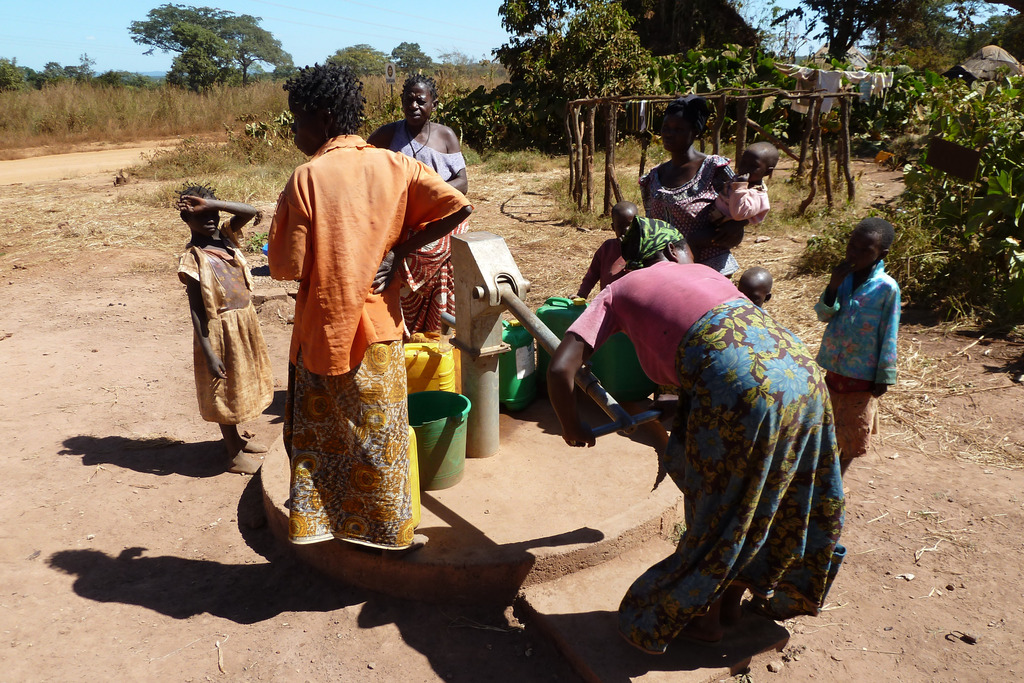
The aim of this study was to provide baseline data on water, hygiene, and sanitation issues in the project intervention areas. This reference framework will enable monitoring and evaluation of the project and measure changes induced by its implementation, such as geographic and financial accessibility, water quality and quantity, impact on women’s and children’s work, and community participation mechanisms. AnthropoLinks provided methodological and analytical support.
RESETTLED POPULATIONS: PERCEPTION, VULNERABILITY AND MOBILITY
Tenke Fungurume Mining
DEMOCRATIC REPUBLIC OF CONGO / 2013
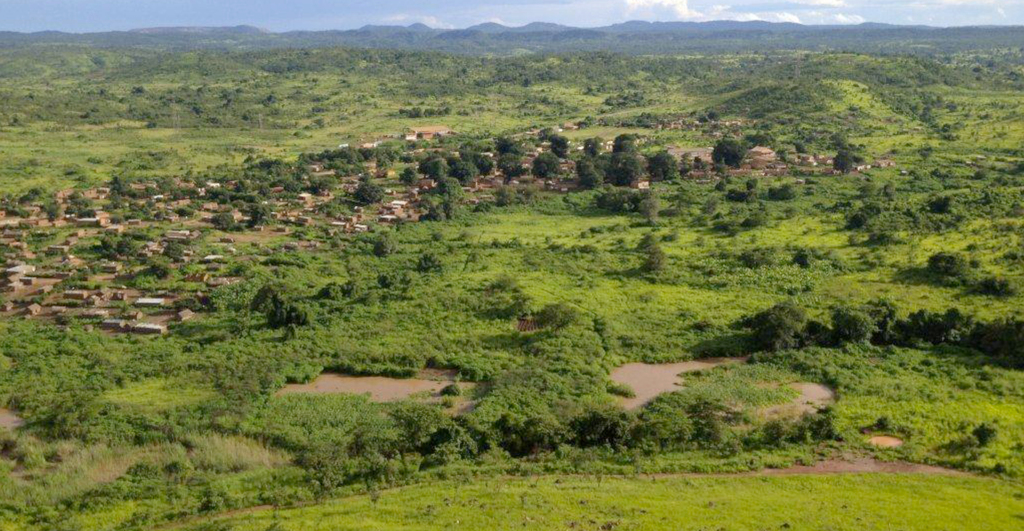
This study assessed the impacts, vulnerability, and mobility of households resulting from their resettlement in four villages. The ultimate goal was to define corrective actions to be implemented. The study focused on all households affected by physical and economic resettlement impacts.
VULNERABILITIES & ENVIRONMENT – CLIMATE CHANGE
Unesco
INTERNATIONAL – 2009
Climate change impacts many island, rural, and indigenous communities. Their high vulnerability stems from dependence on resource-based livelihoods, while the location and configuration of their lands increase sensitivity. Yet, their voices remain largely absent from climate change debates. In this context, UNESCO launched the online forum “On the Frontlines of Climate Change,” for which we actively participated in selecting community resilience projects.
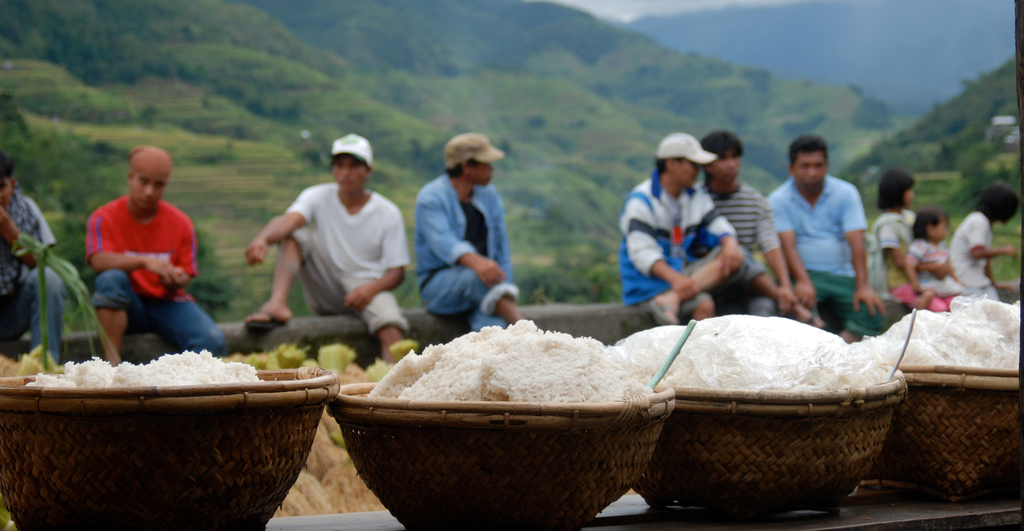
INDIGENOUS PEOPLES – FOOD SECURITY IN IFUGAO PROVINCE
MNHN / Académie d’agriculture de France
PHILIPPINES / 2008-2010
This study focused on the food system of the Ifugao populations in the Philippines, with particular attention to food vulnerability issues (especially rice). Ultimately, we assessed the social and cultural impacts of projects aimed at promoting local rice varieties.
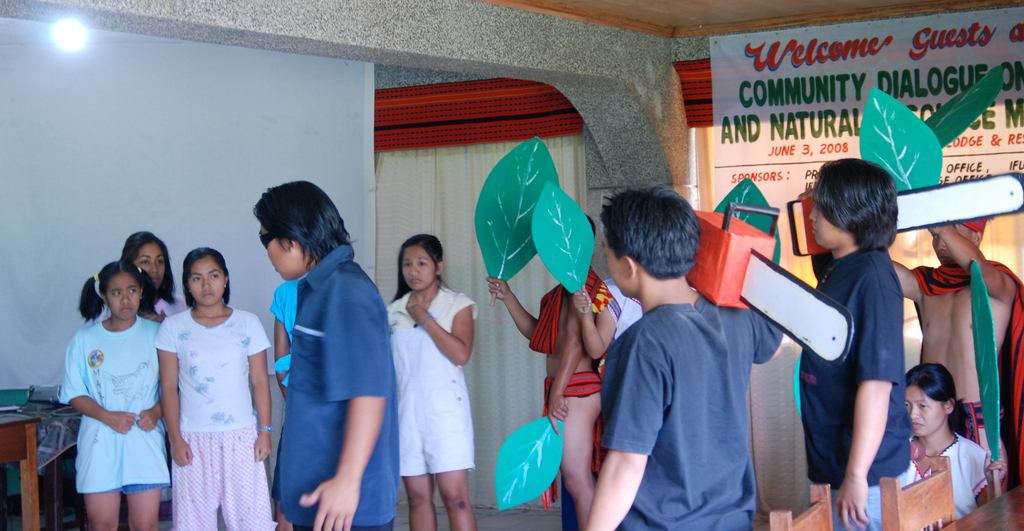
VULNERABILITIES & ENVIRONMENT – COMMUNITY DIALOGUE ON CLIMATE CHANGE
Montanosa Research and Ecology Center / Muséum national d’Histoire naturelle / Académie d’agriculture de France
PHILIPPINES / 2008
The Ifugao population organized community dialogues in the province to address the already felt effects of climate change. The purpose of these meetings was to enable local communities to share their perceptions and the adaptation strategies they had implemented.