
Memories, Identities, Heritage
OUR PROJECTS
MEMORIES IDENTITIES HERITAGE
DIAGNOSTICS ON CULTURAL HERITAGE, TANGIBLE OR INTANGIBLE, IMPLEMENTATION OF CULTURAL PROJECTS AROUND MEMORY, ASSESSMENTS OF TOURISM POTENTIAL AND AGRICULTURAL OR ECONOMIC DEVELOPMENT
Memory and heritage contribute to identity and social cohesion.
Heritage is a source of living know-how.
Heritage is a lever for local development.
- Understanding heritage, its history, stakeholders, and potential for enhancement
- Identifying potential for uses, communication, and appropriation
- Identifying potential for tourism attraction or business development
- Identifying elements that constitute heritage in the territory or that can elevate a product to heritage status
- Highlighting priority action points
- Implementing cultural actions around heritage in co-production with residents
- Training
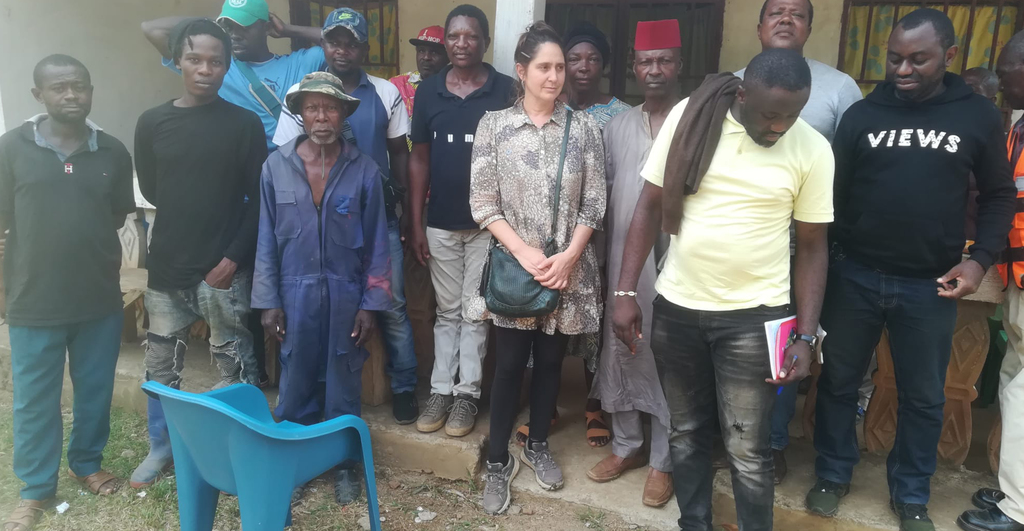
HERITAGE & SOCIAL IMPACTS – HISTORICAL SITES AND INTANGIBLE HERITAGE IN THE KIKOT-MBEBE HYDROPOWER PROJECT (KHPC)
CAMEROON / 2024
The mission consisted of contributing to the preliminary archaeological study of the Project. This involved identifying historical sites and intangible cultural heritage of communities within the direct influence zone. Anthropological data were collected and analyzed. We were also responsible for coordinating the historical and economic study.

MEMORIES IDENTITIES – HERITAGE ENHANCEMENT THROUGH AN ETHNOGRAPHIC AND CULTURAL APPROACH TO THE PRAE MICHEL CHEVALIER SITE AT BOSC
FRANCE (Lodève) / 2020-2021
In Lodévois, the history of uranium has shaped its inhabitants, economy, landscapes, and narratives. The site has now been converted into the PRAE Michel Chevalier Economic Activity Zone. SEM ARAC Occitanie aims to strengthen the site’s attractiveness by showcasing its industrial and mining past. AnthropoLinks and Luna Film were selected for this heritage enhancement, which involved historical research on the site and its territorial links, conducting interviews, producing films with former employees, residents, and local officials, and drafting a manuscript.
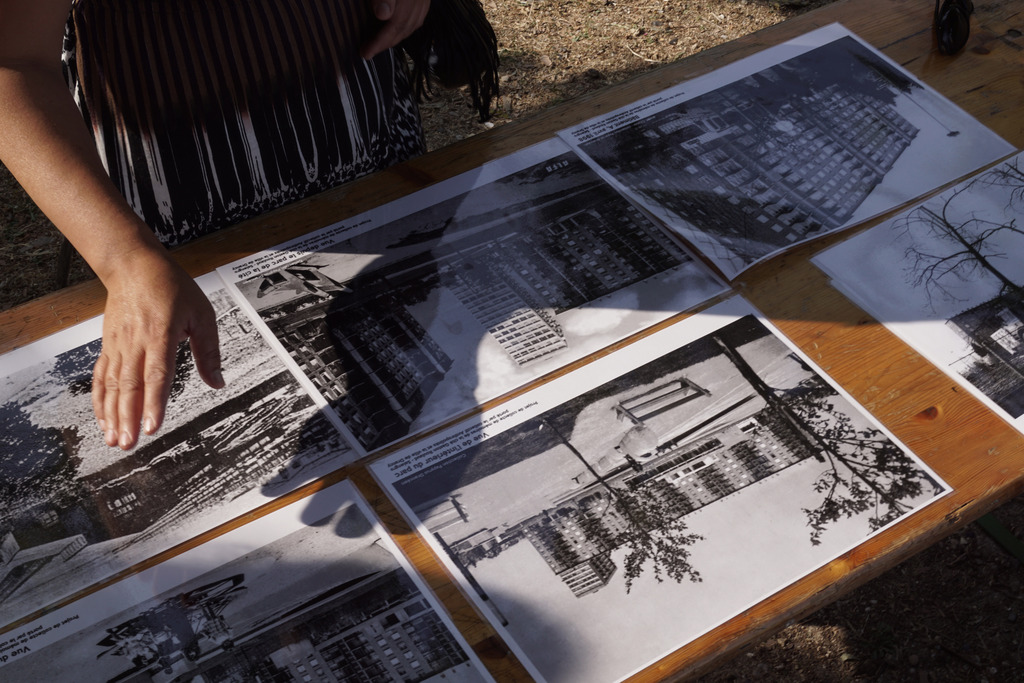
MEMORIES IDENTITIES – CULTURAL ACTIONS – MEMORIAL PROJECT ON THE GASTON ROULAUD NEIGHBORHOOD UNDER THE NPNRU
Ville de Drancy / ANRU
FRANCE (Drancy) / 2018-2019
Audiovisual and sound project focusing on the memory of the Gaston Roulaud neighborhood as part of the NPNRU. The project resulted in a sound walk and a video highlighting the richness and uniqueness of the neighborhood. This initiative is part of AnthropoLinks’ program “Our Neighborhoods Have a Voice,” co-produced with residents and local actors to renew social diagnostic methods, strengthen empowerment and social cohesion, and enhance the image of these territories and their inhabitants.
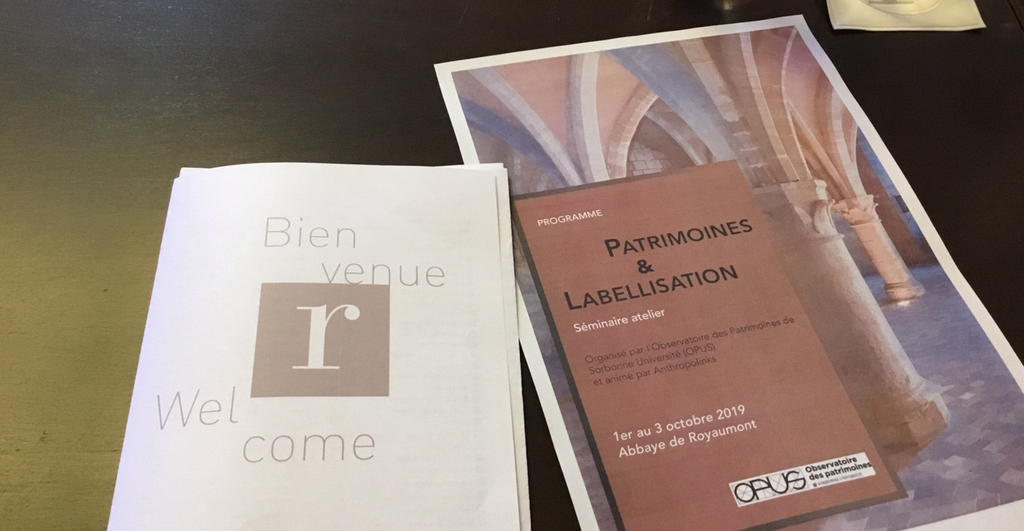
HERITAGE – HERITAGE LABELING IN OPUS LABORATORIES
Sorbonne Universités
FRANCE / 2018-2019
One of the objectives of the Sorbonne Universités Heritage Observatory (OPUS) is to promote the expertise of its members and structure a joint offer for institutions and public and private sectors. In this context, OPUS identified labeling as a key structuring action. This required prior mapping of laboratory capacities and structuring researcher expertise.
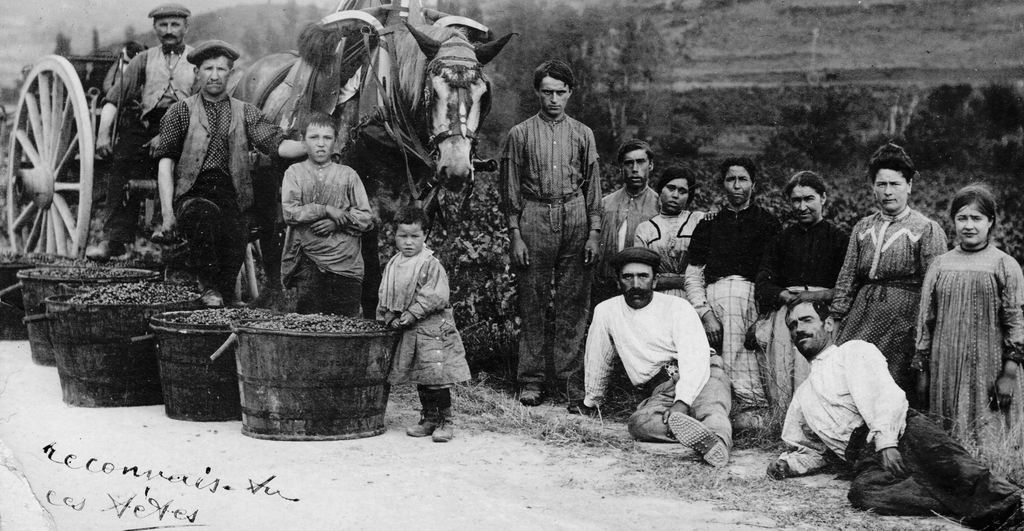
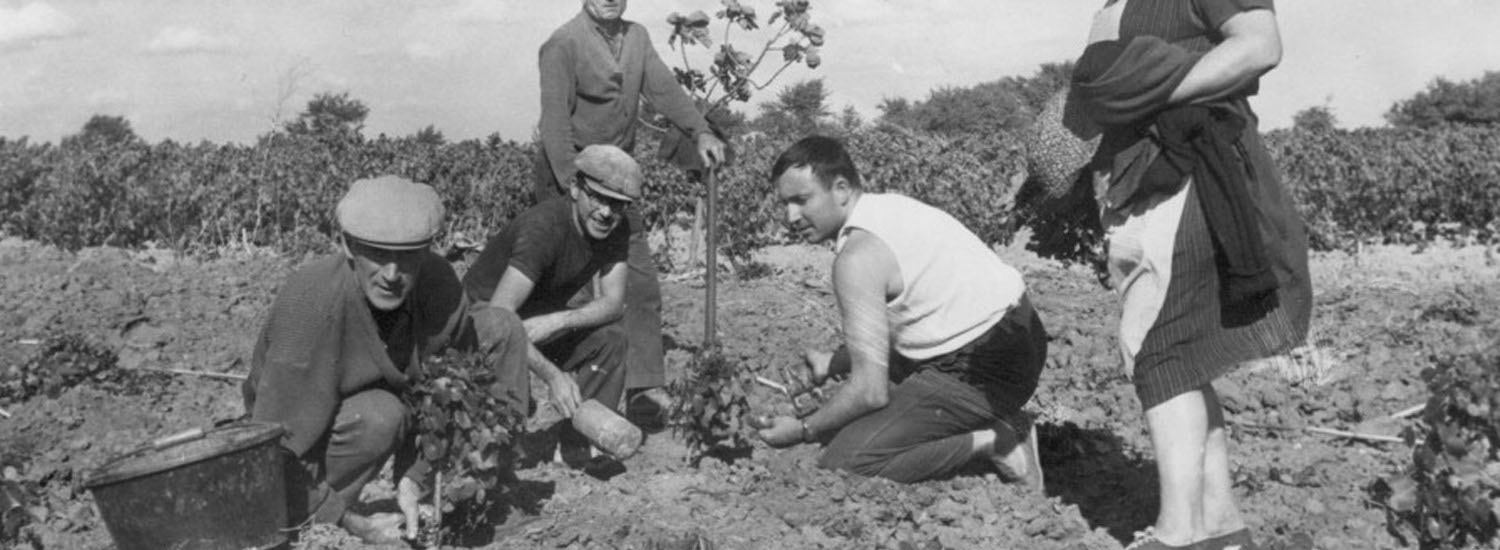
MEMORIES IDENTITIES HERITAGE – FOOD – WINE HERITAGE
FRANCE (Hérault / 2014)
Pays Cœur d’Hérault is a territory with strong potential due to its exceptional landscapes and cultural heritage, recognized by numerous labels, and its wine heritage. The latter emerged as a priority element of tangible and intangible heritage to be promoted. The territory aims to develop wine tourism and regularly highlights heritage aspects related to vines and wine as part of its identity. However, no collection or enhancement action has yet been undertaken. The project sought to document, promote, and protect this wine heritage.
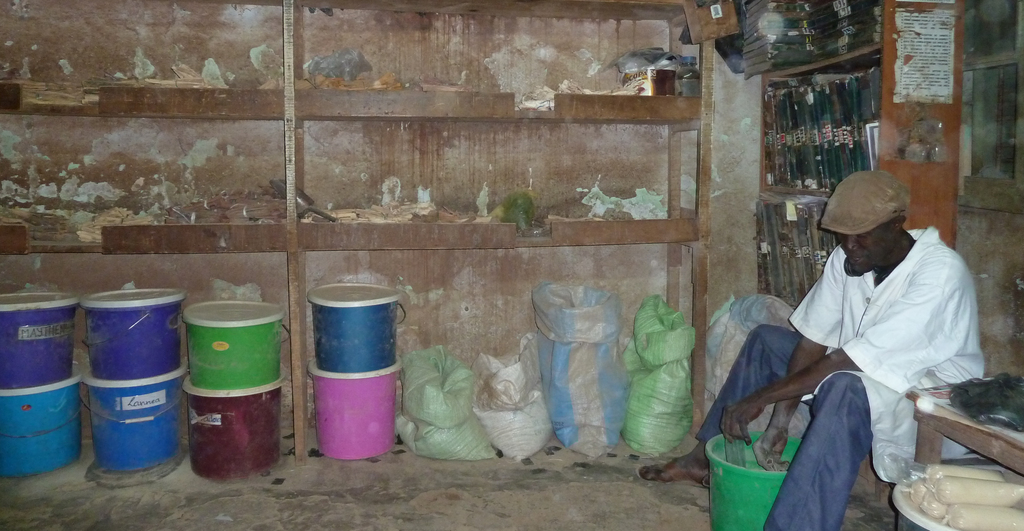
HERITAGE – RECOGNITION OF TRADITIONAL KNOWLEDGE
GIZ / Muséum national d’Histoire naturelle
FRANCE, BENIN, CAMEROON, SENEGAL / 2013
Inventory of traditional knowledge sources in Central and West Africa. The study falls within the framework of the Nagoya Protocol on access to genetic resources and fair and equitable sharing of benefits arising from their utilization (ABS). It aimed to identify and analyze sources of traditional knowledge related to biodiversity use, both ex-situ (in France) and in-situ (Benin, Cameroon, Senegal).
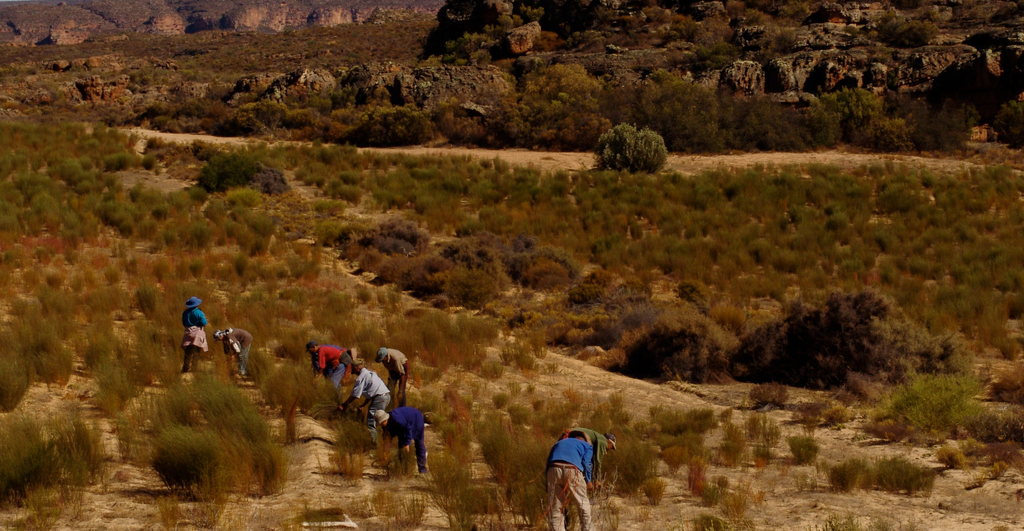
MEMORIES IDENTITIES HERITAGE – FOOD –PROMOTING FOOD HERITAGE: ROOIBOS
Compagnie de Trucy
SOUTH AFRICA / 2013
Analysis of local representations prior to product valorization and its integration into the cultural system preceded the study of identity reconstruction after valorization, as well as the supply chain. In parallel, we assessed the sense of belonging to the commercial brand. Finally, the analysis of local reappropriation of the valorized product and brand explored the possibility of local valorization/marketing alongside the main supply chain.
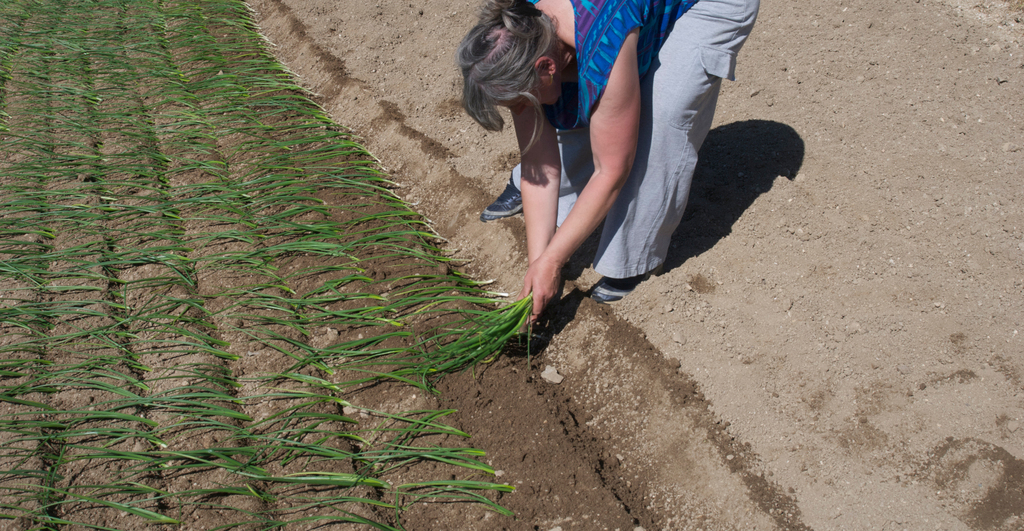
IDENTITIES HERITAGE – FOOD – STUDY OF THE IDENTITY CONSTRUCTION OF CÉVENNES SWEET ONION
Muséum national d’Histoire naturelle
FRANCE (Cévennes gardoises) / 2006-2010
Since the 2000s, Cévennes sweet onion production has become emblematic of the Cévennes region. The production area has been officially recognized since 2003 through the establishment of the AOC. Yet, a decade earlier, the sweet onion was still unknown. How did the Cévennes sweet onion sector structure itself around a new product? How did this product enable the sector to achieve high added value today?
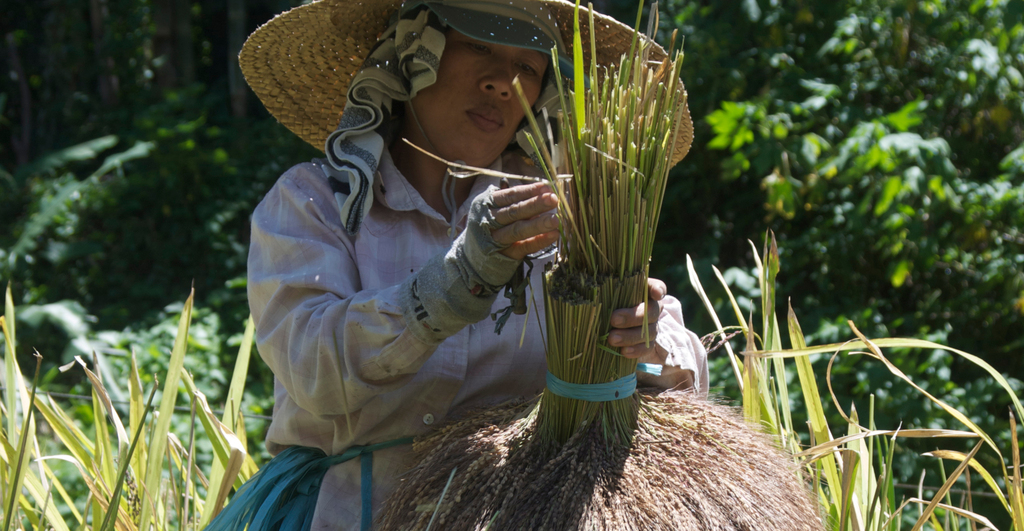
IDENTITIES HERITAGE – FOOD – STUDY OF ENDEMIC AND CULTURAL RICE PRODUCTION: TINAWON
MNHN / Académie d’agriculture de France
PHILIPPINES / 2008-2010
We analyzed representations and practices related to rice production, particularly tinawon, integrating agronomic data collection: areas, varieties grown, yields, agricultural equipment, and cultivation practices. In parallel, we conducted an in-depth study of the organization and functioning of Ifugao indigenous communities, addressing aspects such as kinship, cultural norms and values, social and economic systems, territory, production space, and cooperation space. The analysis of the sector’s land-use plan and mapping complemented this approach, enabling risk and opportunity assessment for establishing a high-value-added supply chain.