
Food Practices and Agriculture
OUR PROJECTS
FOOD PRACTICES AND AGRICULTURE
SUPPLY CHAIN AND CERTIFICATION
URBAN AGRICULTURE
Each supply chain is strongly embedded in the space it occupies and within the society to which it belongs.
Sustainable food practices cannot be implemented without adapting to the expectations, constraints, and specificities of different consumers, particularly those in vulnerable situations.
An urban agriculture project cannot succeed without the involvement of residents and local stakeholders.
- Analysis of food practices and strategies
- Study of the supply chain’s impact on local socio-economic and cultural organization
- Analysis of identity dynamics around a product
- Support in defining a community-based project
- Support in implementing an urban agriculture project
- Design and implementation of mechanisms
- Support for food certification: fair trade, PDO, PGI, etc.
- Consumption studies: needs, expectations, potential, barriers, drivers…
- Training

AGRICULTURE & SOCIAL IMPACTS – NORTHERN CONGO FOREST LANDSCAPE PROJECT (PPFNC) & AGRICULTURAL SECTOR REVIVAL SUPPORT PROJECT (PARSA)
AFD / PARSA- Ministère de l’agriculture et de l’élevage
Congo / 2024-2025
The mission aims to conduct final evaluations of the implementation of environmental and social obligations for each project (assessment of ESMP implementation), provide improvement recommendations, and carry out annual consultations with beneficiary CLPAs and other stakeholders as part of the projects’ annual evaluation.
SOCIOLOGICAL STUDY – FOOD PRACTICES AND AGRICULTURE – IMPACTS OF THE URBAN FARM PROJECT IN THE LA NOUE NEIGHBORHOOD
FRANCE (Montreuil) / 2023-2024
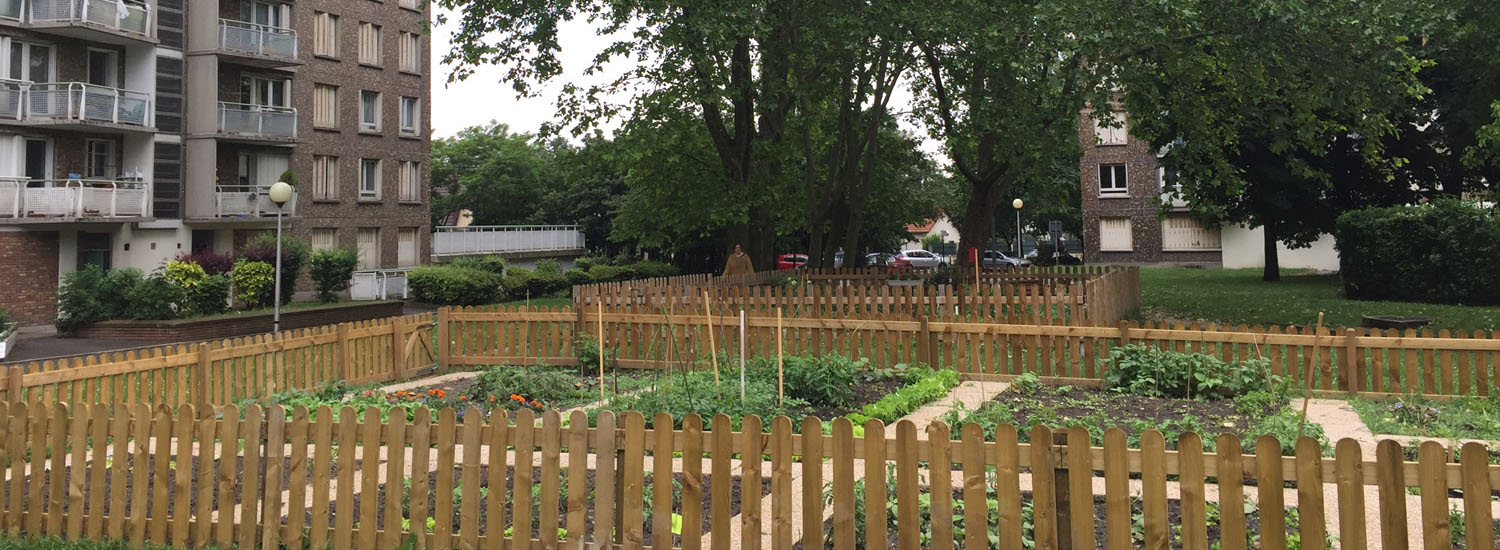
Since spring 2021, the association On Sème Tous has been developing an urban farm project. Urban agriculture has gained renewed interest globally and locally as a driver of sustainable territorial development, urban planning, and ecological transition. To better address residents’ needs and constraints and assess the project’s impact on eating behaviors and environmental perception, the association commissioned an initial sociological study on residents’ food habits and their perception of the project.

SOCIOLOGICAL STUDY – MAPPING FOOD ACTORS AND ISSUES IN MONTREUIL
AnthropoLinks
FRANCE (Montreuil) / 2019-2020
This study aims to provide a detailed analysis of food-related issues at the municipal level in Montreuil, focusing on their social and vulnerability dimensions, and to identify all local actors involved at various levels in combating food insecurity and promoting sustainable diets.
COLLABORATIVE WORKSHOP ON FOOD AND FOOD INSECURITY
Chaudronneries / OuiShare / Campus la Fonderie de L’image
FRANCE (Bagnolet / 2019)
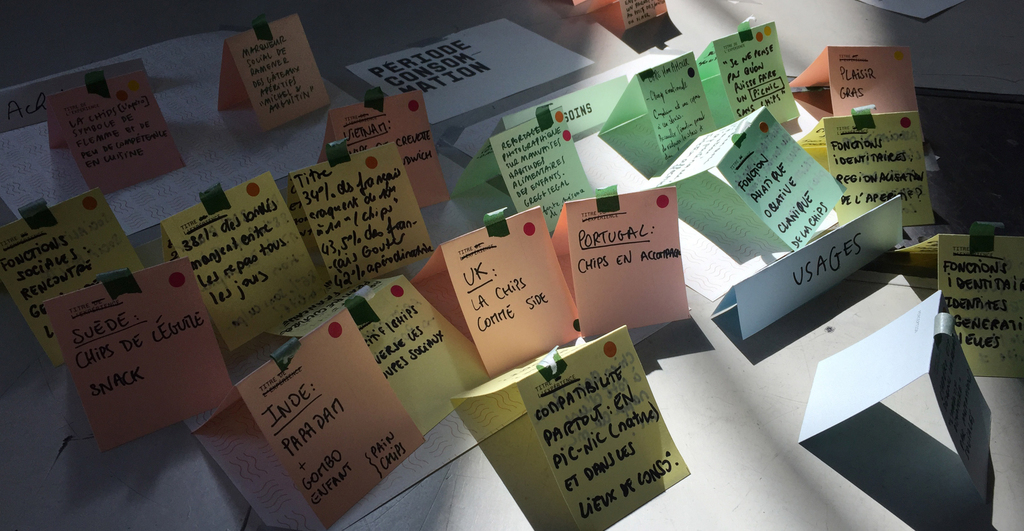
Participation in facilitating a creative day of deconstructing the technical system of potato chips and experimenting with methodologies. The event brought together professionals, researchers, and students from various sectors for an extraordinary experience around chips and their ecosystem.
ANTHROPOLOGICAL STUDY – PFOOD PRACTICES AND FOOD INSECURITY
GUINEA / 2017-2018
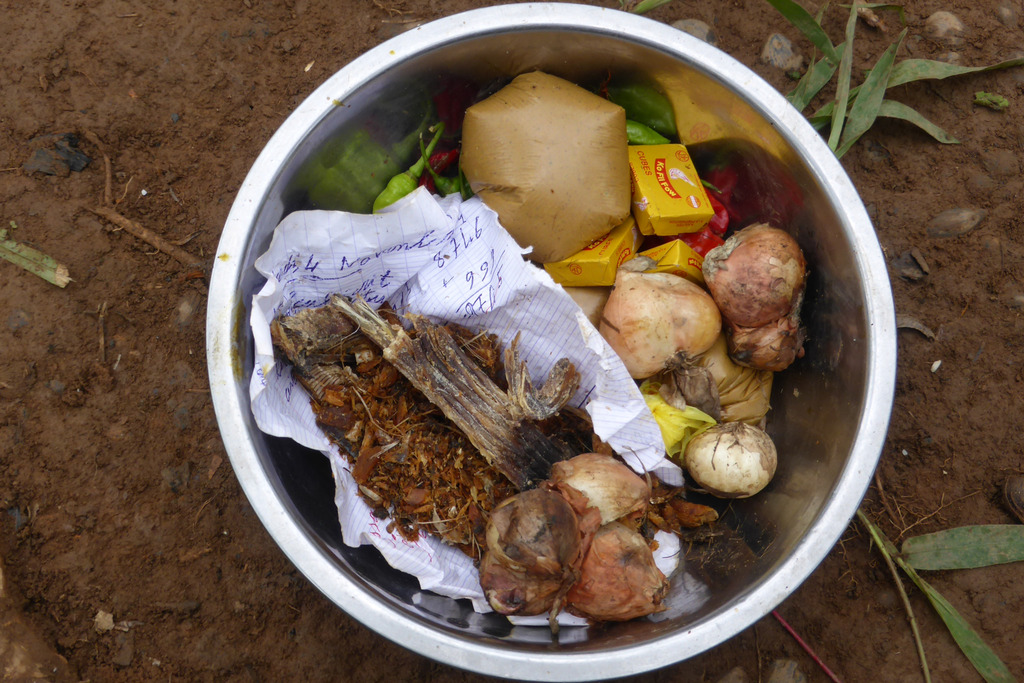
The N’Zérékoré region is particularly affected by food insecurity. Since the early 2000s, the Guinean government has promoted the development of commercial fish farming integrated into family farms in Forest Guinea. To adapt interventions to local contexts and assess the potential of small-scale fish farming for food security, INADER, partner of APDRA Pisciculture Paysanne in Guinea, commissioned SCOP AnthropoLinks to conduct a “Diagnosis of food practices and animal protein consumption in Forest Guinea.”
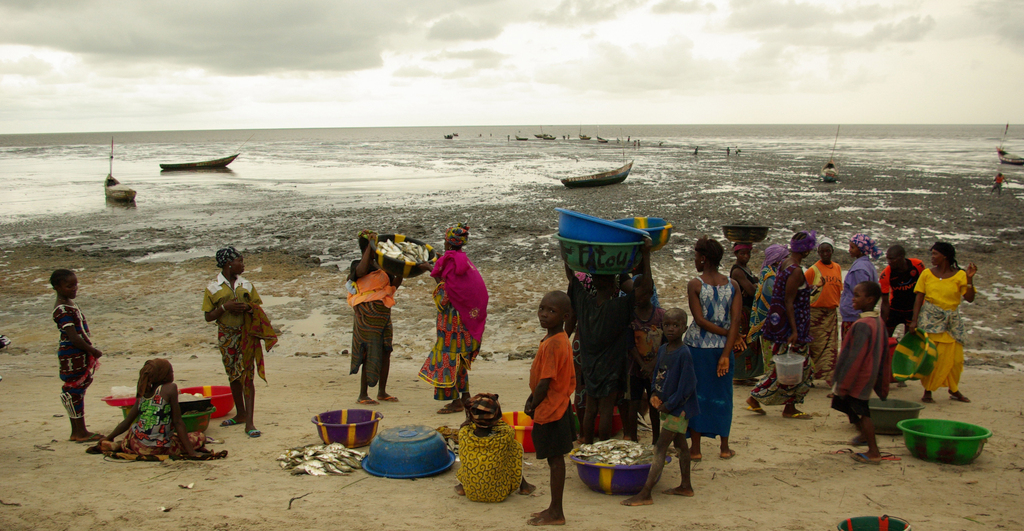
SOCIAL IMPACTS – ARTISANAL FISHING SUPPLY CHAIN
F. Giovannetti / EGA
GUINEA / 2015
Study of the artisanal fishing supply chain in Kamsar ports to identify potential impacts of GAC jetty construction on this activity. Design and facilitation of stakeholder consultations (fishers, fishing companies, Ministry of Fisheries representatives…). Diagnosis of fishing techniques and zones. Analysis of fresh and dried fish sales chain. Study of women’s role in processing and sales.
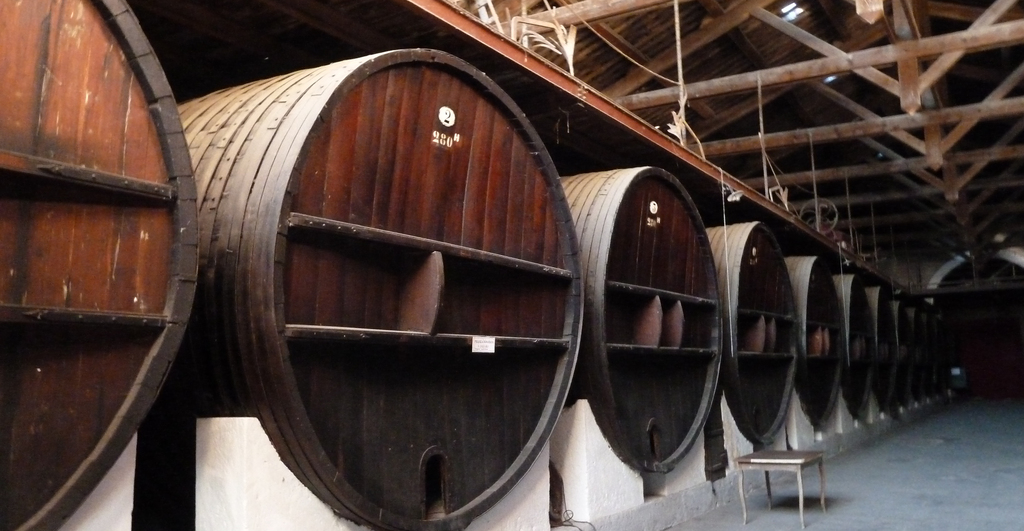
HERITAGE – WINE TOURISM DEVELOPMENT
FRANCE (Hérault / 2014)
Pre-diagnosis and feasibility study for developing a wine tourism policy. Design and facilitation of stakeholder consultations: winegrowers, elected officials, residents, tourism actors, historians, etc. Archival research. Development of strategic guidelines for wine tourism policy.
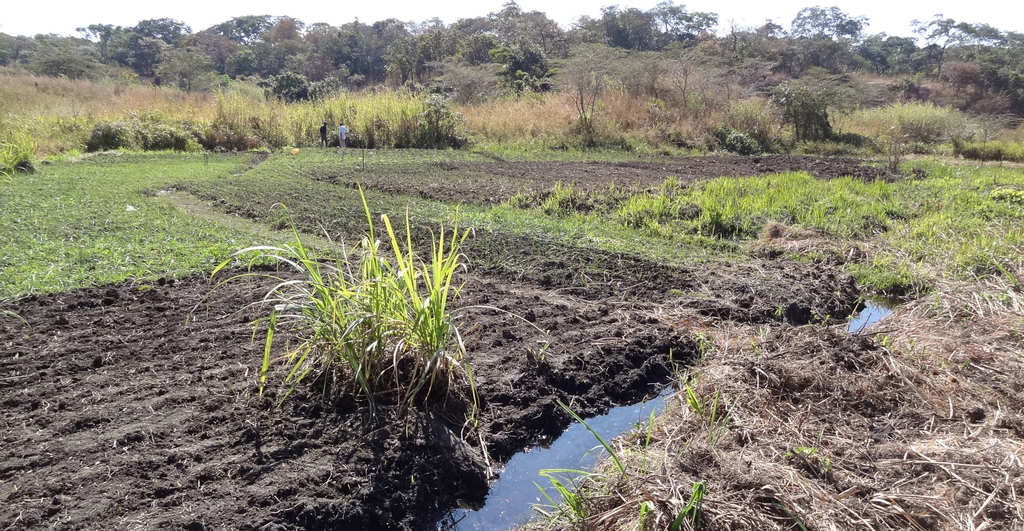
SOCIAL IMPACTS – SUBSISTENCE AGRICULTURE
Tenke Fungurume Mining
DEMOCRATIC REPUBLIC OF CONGO (DRC) / 2013
Characterization of agricultural activity (practices, crops, calendars, etc.) in the Mitumba area. Inventory and mapping of agricultural lands. Analysis of land tenure rules and access to natural resources. Assessment of living standards and livelihoods. Analysis of agricultural activities. Identification of vulnerable groups. Establishment and facilitation of stakeholder consultation committees and workshops. Identification of risks and opportunities.
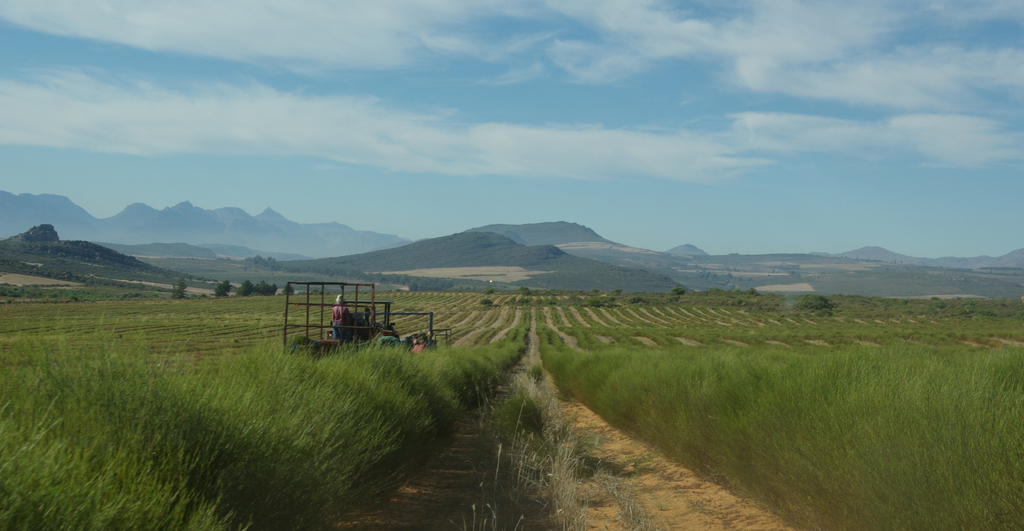
FOOD PRACTICES AND AGRICULTURE – ROOIBOS SUPPLY CHAIN
Compagnie de Trucy
SOUTH AFRICA / 2013
Support for establishing a high-quality Rooibos supply chain. Identification of independent producers of premium Rooibos interested in the project. Stakeholder analysis. Facilitation of producer consultations. Perception study. Analysis of fermentation and processing methods.
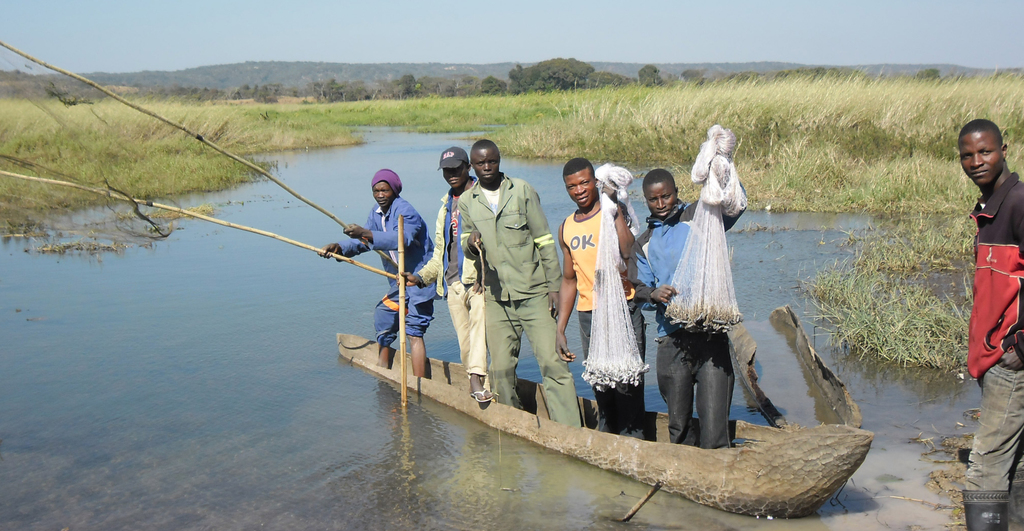
SOCIAL IMPACTS – ARTISANAL FISHING
Phelps Dodge Congo
DEMOCRATIC REPUBLIC OF CONGO (DRC) / 2012
Study of fishing activities in Kisanfu. Inventory, quantitative and qualitative socio-economic analyses. Risk and opportunity assessment. Organization of consultation and mediation committees. Implementation of stakeholder engagement.
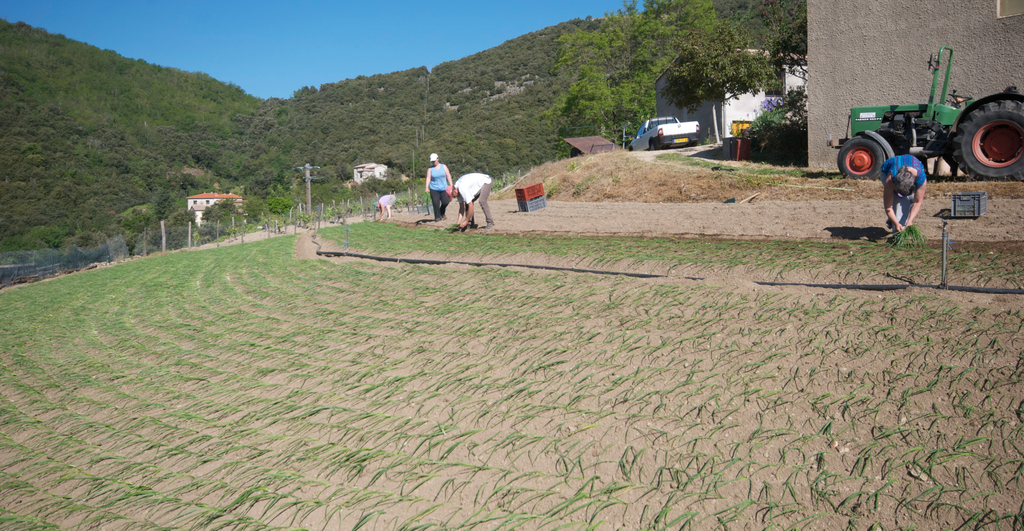
FOOD PRACTICES AND AGRICULTURE – SWEET ONION SUPPLY CHAIN IN THE CÉVENNES
Muséum national d’Histoire naturelle
FRANCE (Cévennes gardoises) / 2006-2010
Analysis of the sweet onion supply chain in the Cévennes. Consultations with 66 stakeholders. Historical analysis of the supply chain’s development. Study of identity construction and branding of the onion. Analysis of representations and specific practices. In-depth study of the social, socio-economic, and technical organization of sweet onion marketing. Risk and opportunity assessment for establishing a high-value supply chain and obtaining PDO status.
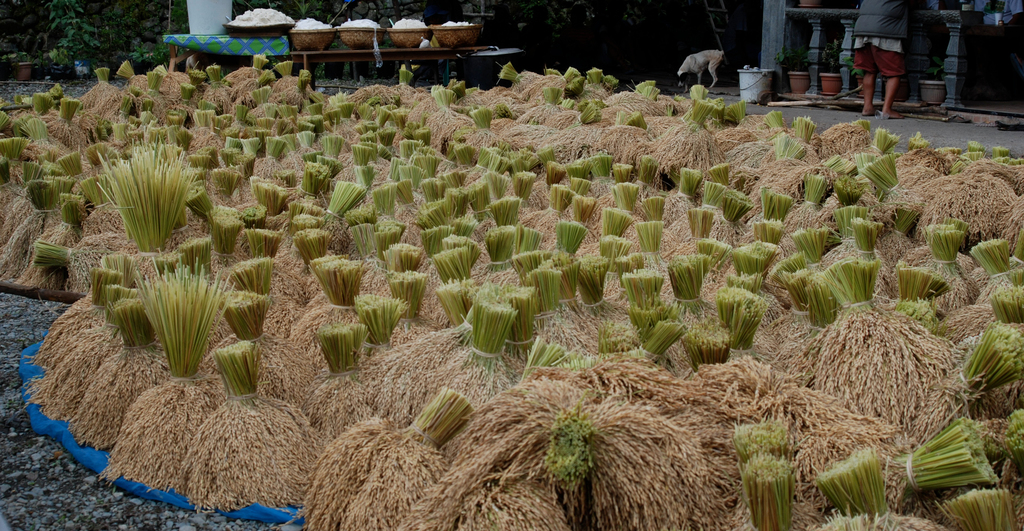
FOOD PRACTICES AND AGRICULTURE – TINAWON RICE SUPPLY CHAIN
MNHN / Académie d’agriculture de France
PHILIPPINES / 2008-2010
Analysis of the establishment of the Tinawon rice supply chain. Consultations with 143 stakeholders. Analysis of representations and practices related to Tinawon production. Study of the organization and functioning of the indigenous Ifugao communities. Analysis of the supply chain’s spatial planning and mapping. In-depth study of the social and technical organization of the supply chain. Assessment of risks, social impacts, and opportunities for developing a high-value supply chain.