

RESEARCH IN ANTHROPOLOGY AND SOCIOLOGY
OUR PROJECTS
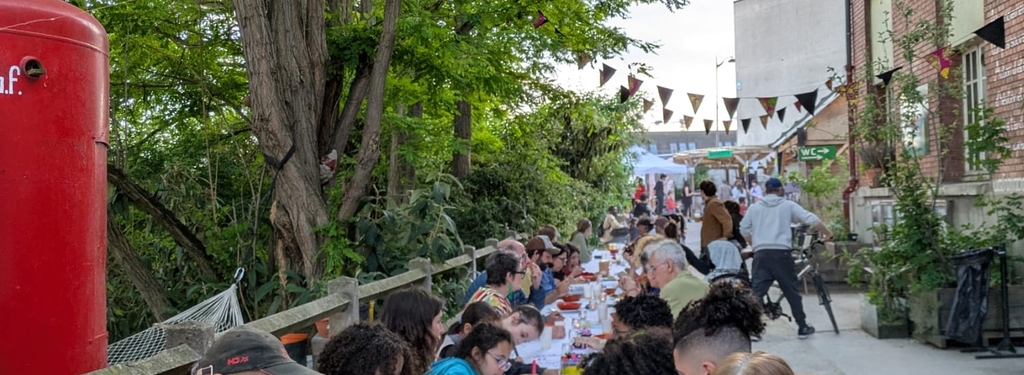
SOCIOLOGY RESEARCH – ACTION RESEARCH FOR THE CO-CONSTRUCTION OF A COMMON GOOD AROUND THE SHAKIRAIL THIRD PLACE
2024-2025
SHAKIRAIL
Third Places and Commons
Since the 2000s, third places have emerged in France as hybrid spaces fostering social and territorial innovation. They embody a citizen-driven response to contemporary crises by promoting cooperation, resource sharing, and territorial revitalization. Shakirail, established in 2011 in the La Chapelle–Max Dormoy neighborhood (Paris 18ᵉ), illustrates this dynamic. A former railway locker room made available by SNCF, it is managed by the Curry Vavart Collective and was labeled Fabrique de Territoire by ANCT in 2021.
A Key Challenge: Integrating Residents into the Third Place Dynamic
After years of renovation, the opening of a multipurpose hall in 2023 marks a new stage: enabling residents of neighboring working-class districts (including several priority neighborhoods) to appropriate the space and develop collective projects. This integration represents a true laboratory for experimenting with the co-construction of commons. Yet, existing research on third places focuses mainly on their definition or role in innovation, and very little on the concrete modalities of resident participation, their levers, and limitations.
Objectives: Understanding and Supporting the Making of Commons
This action research aims to:
- Identify forms of collective action and “common agency” emerging with resident integration into the third place dynamic.
- Determine tools, methods, and conditions that foster the co-construction of a common good.
- Assess constraints and risks (social non-mixity, governance tensions, participatory fatigue).
- Test mobilization and facilitation mechanisms to strengthen residents’ empowerment and territorial innovation.
A Participatory and Evolving Methodological Approach
The project unfolds in several stages:
- Produce knowledge on perceptions of actions and the rewilding movement by local populations and key stakeholders.
- Identify possible and desired intangible effects of the rewilding movement.
- Define indicators to measure these effects, ensuring comparability across time and space in different landscapes.
- Explore various methods and scenarios with their advantages, disadvantages, and human and financial costs to inform indicators and measure effects.
A Scientific and Operational Contribution
- Generate knowledge on the co-construction of commons in urban third places.
- Test and evaluate mobilization and participation tools transferable to other contexts.
- Formulate recommendations to strengthen social diversity, horizontal governance, and local appropriation

ANTHROPOLOGY OF ENVIRONMENT & SOCIOLOGY RESEARCH – MEASURING THE INTANGIBLE EFFECTS OF REWILDING
2023-2024
Rewilding Europe
Towards a Social Approach to Rewilding
Since the 1990s, the rewilding movement has gained momentum across Europe, but it also carries numerous controversies that have generated extensive literature. Ecological effects of rewilding are the most studied, while data enabling a comprehensive understanding of social dynamics around this movement remain scarce. Existing social science research on rewilding and attitudes toward wilderness is generally descriptive and rarely explores underlying processes leading to differences in attitudes toward wild nature. Yet, it is widely acknowledged that rewilding initiatives face social and cultural challenges rather than ecological ones, making it essential for social sciences to engage more deeply with the subject.
Demonstrating the Broader Social Benefits of Rewilding
Measuring intangible social effects associated with rewilding has not yet been specifically explored. Until now, evaluations have mostly relied on ecosystem services analysis, often criticized for its utilitarian and monetary approach to nature. While some rare studies (particularly in psychology) examine nature’s role in well-being—demonstrating the influence of physical environments and their components on humans, such as nature connection and pro-environmental behaviors—none have truly addressed the intangible effects of rewilding on local populations in terms of social cohesion, cultural valorization, identity pride, or sense of security.
This study therefore sought to identify and characterize social impacts, particularly in their intangible dimension.
Creating a Measurement Tool Adapted to Diverse Contexts
A major challenge of the study is to propose a comprehensive and practical framework for monitoring and evaluating rewilding projects tailored to each context, integrating social aspects alongside ecological and economic dimensions. The diversity of socio-cultural and ecological contexts makes this even more complex, as representations of nature—and especially wilderness—can vary significantly.
Developing an adapted tool requires gathering and analyzing all relevant information on landscapes involved in rewilding initiatives: context, types of interventions, objectives, etc. Based on a theory of change highlighting desired intangible social changes, it becomes possible to define relevant indicators directly linked to rewilding interventions.
The tool’s adaptability also depends on data collection methods that must be simple to use, applicable across all Rewilding Europe landscapes, and reproducible over time. Involving local teams in the tool development process is essential to assess both the relevance of indicators and data collection methods, ensuring alignment with their capacities and human resources.
A Multi-Level Scientific Contribution
This study aims to:
- Produce knowledge on perceptions of rewilding actions and the movement by local populations and key stakeholders.
- Identify possible and desired intangible effects of rewilding.
- Define indicators to measure these effects, ensuring comparability across time and space in different landscapes.
- Explore various methods and scenarios with their advantages, disadvantages, and human and financial costs to inform indicators and measure effects.
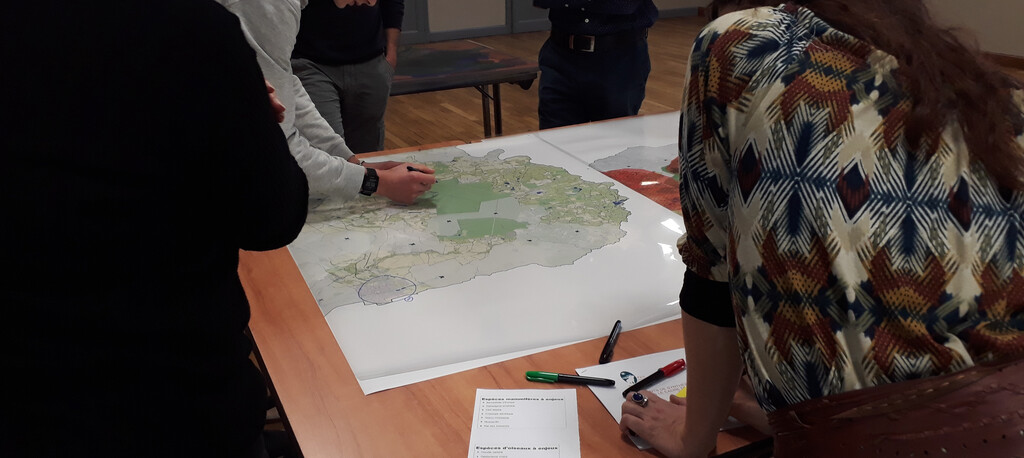
RESEARCH IN ENVIRONMENTAL ANTHROPOLOGY AND SOCIOLOGY – ERCEPTION OF BIODIVERSITY IN THE PERSEIGNE TERRITORY AND TOOLS FOR CHANGE
2022-2023
Parc naturel régional de Normandie-Maine
An innovative approach within an ABC framework
Integrating a study dedicated to the social dimensions of biodiversity into an ABC project is an innovation. This research aimed to deepen knowledge on perceptions, practices, and issues related to biodiversity. It represents a pioneering approach compared to other ABC projects carried out nationally to date.
A lack of social data
Social data most often come from INSEE. They remain superficial and often outdated, limiting optimal understanding of socio-environmental issues in a specific context. Moreover, these data do not precisely address the core issue of an ABC, which is to understand the relationship with biodiversity, including perceptions and practices.
Participatory inventories provide more qualitative data on people’s relationships with species. However, they often lack a rigorous survey protocol, unlike what is done in a dedicated sociological study.
Need for local and contextualized studies
Perceptions of change and risk depend on local context and individual factors. To establish effective management tools, contextualized and local studies are necessary. No such study exists to date for the Perseigne territory. Analyses mainly focus on national groups or supranational scales.
Methodological challenge of data integration
There is no existing method for developing a territorialized approach to biodiversity perception. One of the challenges of this study is to compare the results of naturalist inventories with those related to perceptions. A geolocated and cartographic approach to perception is therefore necessary and constitutes a major innovation of this research. Developing this approach represents a methodological and analytical challenge: moving from the subjectivity of lived experience to the scientific objectivity of results.
Creating a tool to support change
Although numerous concepts and methods exist to support behavioral change, no ready-to-use tool is available. Rarely, if ever, have these approaches been tested on biodiversity issues. Developing such tools requires a study contextualized to the Perseigne territory and biodiversity challenges.
A multi-faceted scientific contribution
This research is part of an experimental approach initiated by the Normandie-Maine Regional Nature Park. Its scientific contribution is multiple:
- Producing knowledge on residents’ perceptions of biodiversity in the Perseigne territory
- Understanding the mechanisms shaping these perceptions
- Experimenting with a geolocated and cartographic approach to study biodiversity perception and propose improvement pathways
- Contributing to broader questions about the relationship with nature in the current French rural context
- Comparing issues and assessing the potential transfer of behavioral change tools
- Testing a combined approach integrating perception results with naturalist inventories, spatializing and mapping data.
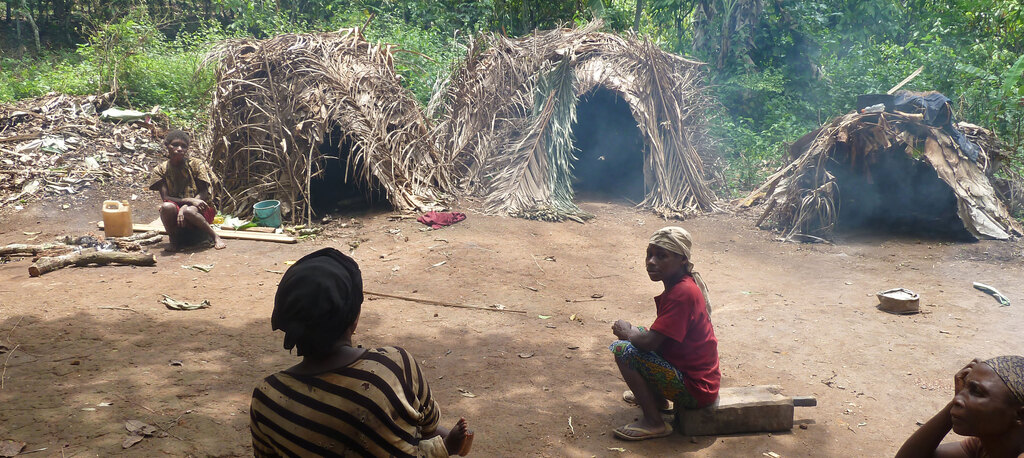
RESEARCH IN ANTHROPOLOGY AND INDIGENOUS PEOPLES – NEQUALITIES AND DISCRIMINATION AGAINST INDIGENOUS PEOPLES IN FOREST CONCESSIONS IN THE REPUBLIC OF CONGO
2019-2020-2023
CIB-OLAM
Forest concessions and social responsibilities
The forest ecosystems of northern Congo (departments of Sangha, Likouala, and the northern part of Cuvette Ouest), covering nearly 15 million hectares, are subject to industrial exploitation for timber production. This exploitation takes the form of forest concessions granted to companies by the State, which remains the sole owner of the land. These concessions also overlap with customary territories appropriated by local communities, who hold recognized traditional property and usage rights. The concession system effectively positions logging companies as key actors in managing these spaces, with obligations that go far beyond timber harvesting. Despite existing legislation and the importance of environmental and social issues, the level of implementation of sustainable management varies greatly across the country.
CIB (renamed CIB-OLAM in 2011), present in northern Congo since 1968, manages five forest concessions—one of the largest concession groups in Africa. Since 2004, it has been engaged in the FSC (Forest Stewardship Council) certification process, which sets precise rules for sustainable environmental and social management of forest resource exploitation. Populations living within and around the territories where CIB operates belong to about ten different linguistic groups. Among them, the Mbenzele, Bangombé, and BaAka—recognized as indigenous peoples—accounted for more than 20% of the area’s population in 2003. CIB has formally recognized indigenous peoples’ rights (international law and national legislation) and carries out specific actions for these populations. However, after several years of policies and actions, the main finding is that results have not met expectations and many challenges persist. It is in this context that AnthropoLinks was called upon to conduct research.
Persistent inequalities affecting indigenous peoples
Indigenous peoples continue to face numerous forms of discrimination and remain among the most marginalized and vulnerable populations in the country, as well as those who have benefited least from socio-economic changes and opportunities in the area. Despite progress by the Republic of Congo, which ratified international conventions on the subject and adopted a specific law on indigenous peoples in 2010, studies highlight shortcomings in the application of international law on indigenous self-determination and very limited implementation of legal provisions for respecting, protecting, and realizing indigenous rights. Existing research focuses on legislative enforcement issues, land tenure, and protected areas. The principle of Free, Prior and Informed Consent (FPIC), defined as a major legal tool, has also been studied but remains marginal and relatively generic. Beyond these topics, local mechanisms that exacerbate inequalities and injustices toward indigenous populations have received very little research attention.
Better integrating indigenous peoples into company activities
Between 2019 and 2023, AnthropoLinks conducted research in CIB concessions to identify barriers and levers for better addressing indigenous-specific issues. This study unfolded in several stages:
- An evaluation of all company practices, requiring the definition and development of specific indicators
- Research on factors and mechanisms underlying inequalities and discrimination against indigenous peoples in forest concessions
- Research on indigenous workers within CIB: their relationship to work, working conditions, and professional relations
An ethnographic approach leading to action proposals
Over these three years, we applied a socio-anthropological and ethnographic approach to describe and contextualize social facts. Specific indicators were developed to characterize situations and enable evaluation. This study primarily facilitated the collection of new data. The originality of the approach lies in the constant back-and-forth between the inside (company perspective) and the outside (community perspective), providing real contextualization in everyday interactions.
In the final phase, action proposals were developed based on priorities and needs defined by the communities. These proposals aim to defend indigenous rights. We combined data analysis results with methodological gaps to improve working methods and identify future research directions.
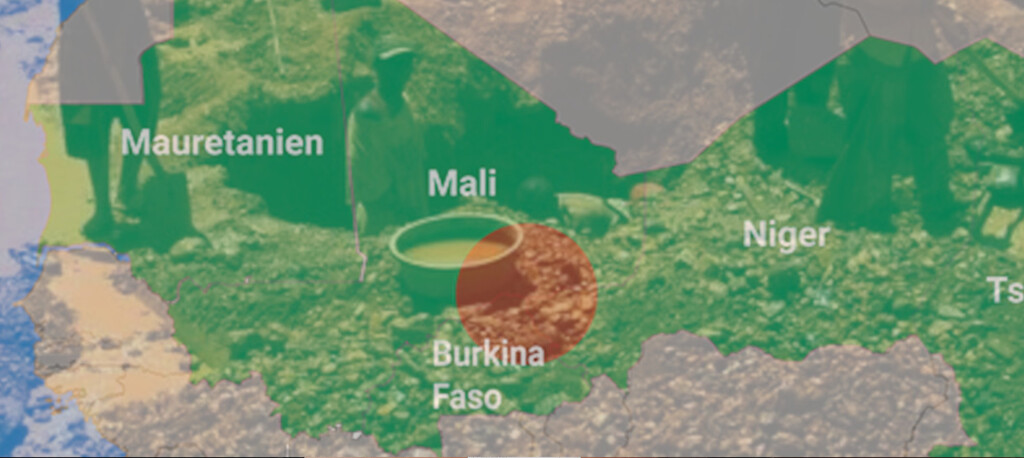
RESEARCH IN ANTHROPOLOGY AND SOCIOLOGY – GOVERNANCE OF AN OBSERVATORY FOR MONITORING ARTISANAL GOLD MINING AND ITS SECURITY IMPACTS
2022-2023
ESA / OCDE
Challenges of artisanal gold mining
Social, environmental, political issues, as well as fraud, money laundering, and tax evasion linked to gold mining are widely documented in the literature. In addition, artisanal gold mining has raised new security concerns in the Liptako-Gourma region. In areas historically under-invested by States, numerous gold deposits have been discovered. Some territories have been abandoned by the State due to insecurity, leaving the activity largely unregulated.
Since 2016, security issues have taken on a new dimension, intensifying with the presence of armed groups in gold mining areas. Terrorist incidents or attacks by unidentified armed groups around gold production sites have multiplied. Many armed groups are suspected of belonging to jihadist movements. They open sites for exploitation or settle in existing artisanal mining sites, with the clear intention of managing them.
Previously, artisanal mining was considered a source of problems hindering industrial mining development. Since the 2010s, States and development partners have increasingly viewed it as a development opportunity.
However, it is also perceived as a major challenge. The security and environmental risks associated with uncontrolled artisanal mining are significant. For several years, Liptako-Gourma member States have been working to structure, organize, formalize, and sustainably manage artisanal and small-scale gold mining.
The need for an observatory to monitor gold mining and its security impacts
The establishment of an observatory aims to monitor artisanal gold mining and its security impacts across the Liptako-Gourma region, with the ambition of meeting several objectives.
Since the 1990s, observatories and data platforms have multiplied. However, implementing these measures remains difficult and requires contextualization each time.
Key challenges of the observatory project
A major challenge is building an effective governance system among three countries facing political and security instability, compounded by a deep governance crisis. Demographic growth exerts additional pressure on resources. The collapse of Libya and the proliferation of fighters, weapons, and trafficking have further destabilized the region. The 2012 crisis in Mali triggered similar dynamics in Burkina Faso and Niger.
Ensuring the observatory’s sustainability is a key issue. This requires developing a flexible, effective governance system recognized by all three States.
Another challenge is creating a platform that delivers truly useful information for all stakeholders. Uniform interpretation of results and maps by all parties is essential.
The diversity of possible territorial interpretations calls for a collaborative construction of the platform. Unequal technical understanding among stakeholders reinforces this need. Collaboration must be encouraged, which remains a major challenge for the project.
Data access is critical for the platform’s proper functioning. Regular data updates are essential for its evolution. Stakeholders—especially data owners and managers—must agree on sharing, usage, and update modalities, as well as extraction, preparation, and publication options.
Objectives of the observatory
The project aims to collaboratively develop, with the three States, a governance, data-sharing, and management system to establish an effective observatory that will:
- Compile data on mining activities, including artisanal mining, to provide a clearer picture of the sector’s scale and structure—currently lacking.
- Clarify the nature and extent of links between armed groups and the gold supply chain, going beyond a simple list of observed phenomena.
- Enable remote analysis and monitoring of artisanal mining sites, which are often inaccessible and located in areas where State territorial control is severely compromised.
- Potentially anticipate and forecast certain security-related dynamics or events in the region.
- Serve as a decision-making and strategic planning tool for coordinated policies on artisanal gold mining—both for formalizing the activity and combating terrorism. This process contributes to peacebuilding in the Sahel region.

ETHNOGRAPHIC RESEARCH – URANIUM MINING IN LODÉVOIS
2021
MEMORIES IDENTITIES HERITAGE
Gaps in the memory of Lodévois uranium mining
Existing literature on uranium extraction in France, particularly in Lodévois, shows several gaps. Beyond the lack of detailed studies, it addresses the subject in a highly technical manner, mainly from the industrial perspective. This approach leaves little room for the viewpoints of employees and other actors such as local politicians and activists. Moreover, it provides no historical or socio-political context.
This is likely due to the identity of the authors, all former employees of the industry who held senior positions in the company. Their ambition with these works is to preserve the memory of the main—and almost sole—industrial player involved, CEA-COGEMA. Furthermore, these publications do not address the “post-mining” period. They offer very little information on reflections, challenges, and approaches to site remediation and conversion.
The importance of documenting the site’s history
Yet, the history of this “post-mining” phase, the regulatory, political, and social context, and the actors involved are key elements. They could explain the obstacles currently faced by stakeholders seeking to give the site a second life and identity. Desired and feasible development actions encounter an unknown or fantasized past, generating fears, rumors, and resistance for some, while offering opportunities and hopes for local economic development for others.
Local authorities and their partners struggle to grasp perceptions of the site. Discourses produced by various actors sometimes harm and hinder development efforts. There is a lack of data and knowledge about the site, its history, and its actors. Moreover, the diversity of perceptions and viewpoints built throughout this history has been insufficiently documented. Authorities also lack facts and perspectives to build and support narratives and arguments.
Research objectives
To generate knowledge about the site’s past, we undertook a research project aimed at understanding how viewpoints were constructed and analyzing the foundations of perceptions, including rumors.
We also sought to identify and categorize actors and stakeholders based on their perceptions of the site and the discourses they convey to third parties.
Finally, the research examined mechanisms that make implementing development projects on the site difficult.
Creating original knowledge
This work produced new, original, and comprehensive knowledge about the uranium mining site at Le Bosc (Lodévois). The heritage-based approach contributes to enriching the inventory and heritage knowledge of the Occitanie Region. Additionally, this work generated unique and original oral archives that are easily mobilizable.
The historical and ethnographic approach provided the project consortium with a shift in perspective regarding communication and commercial development strategies for the site. The discourse is now less focused on planning and more on identity and heritage. Furthermore, the approach—including interviews and public engagement—sparked renewed interest in the site among citizens and local actors, creating momentum for heritage enhancement.

SOCIOLOGICAL RESEARCH – HOME CARE FOR PEOPLE WITH LOSS OF AUTONOMY THROUGH ENERGY CONSUMPTION MONITORING
2017-2019
EDF
SOCIOLOGICAL STUDY
Challenges of home care
Current findings and research indicate a clear interest in the concept of “aging well.” The shared goal is to promote older people’s ability to remain at home. However, both relatives and professionals sometimes consider risk-taking unacceptable.
This often leads to placing elderly individuals in specialized institutions, frequently against their will, challenging their right to risk as recognized in the 1997 Charter of Rights and Freedoms for Dependent Elderly Persons.
Benefits and limitations of teleassistance
Among the assistance options proposed to facilitate home care, teleassistance is highly popular. It partly addresses the fear of risk by providing security for elderly people living alone and reassurance for their relatives.
In case of an emergency, such as a fall or illness, the person can signal the incident at any time by pressing a pendant or watch worn permanently. An intervention can be triggered immediately depending on the urgency.
However, teleassistance cannot anticipate problems or monitor changes in the person’s condition.
Prospects for analyzing electricity consumption
Attention is now turning to the potential of analyzing electricity consumption to detect early signs of worsening dependency, enabling earlier intervention.
Nevertheless, developing such a service faces several obstacles:
No reference models or typologies
First, the concept assumes it is possible to model a “normal” activity pattern for an elderly person based on electricity consumption. Yet, current research does not provide existing models (see results of our previous studies).
Some consumption profile typologies are emerging, but they are not yet generalizable to the entire French population, and none specifically address elderly individuals.
Modeling challenged by diversity
Second, research has shown that personal trajectories and life histories influence aging, alongside sociological factors. Thus, modeling “normal” activity must account for this diversity.
Gaps in detecting dependency signals
Researchers have documented phenomena such as withdrawal, routinization, and fragility, which can serve as a basis for modeling normal activity and detecting worsening dependency.
However, current research does not identify specific practices and behaviors requiring monitoring, nor does it define the threshold for distinguishing “normal” withdrawal from the onset of dependency.
New research needed to understand what aging means
Further research is needed to better understand what aging means in daily practices and behaviors, and to analyze its impact on energy consumption.
Our previous studies highlighted the difficulty of translating technical data from electricity meters into social behaviors. Raw meter data are highly technical and require in-depth analysis to convert into consumption practices. While our earlier research provided some insights, these must now be adapted to elderly populations.
Confidentiality and intimacy in instrumentation
Finally, confidentiality poses a challenge in analyzing and disseminating data from instrumentation, as it touches on intimate aspects, especially for elderly individuals. This issue, linked to aging, has not been sufficiently explored, and new services for older people do not yet adequately address it.
In this study, home instrumentation aimed to monitor elderly individuals’ precise energy consumption to understand it within the context of “normal” activity. The goal was to detect any worsening dependency through electricity consumption patterns.

RESEARCH IN ANTHROPOLOGY – STUDY OF FOOD PRACTICES AND THEIR SOCIO-ECONOMIC AND CULTURAL DETERMINANTS
2016-2018
APDRA / AFD
ETHNOGRAPHIC STUDY & FOOD
Research within the framework of food security
Our research is part of the Rice-Fish Farming Development Project in Forested Guinea (PDRP-GF). Its objectives are to improve food security and fight poverty. Two main goals guide the project:
i) Diversify agricultural activities to strengthen local populations’ monetary income;
ii) Sustainably increase local supply of fish and rice, thereby addressing the region’s protein deficiency.
Improving food security and combating poverty require a thorough understanding of the food practices of target populations. It is also crucial to understand production and access modalities for foodstuffs within each population group.
The complexity of food practices
Food practices are complex to study due to numerous factors such as religion, food taboos, social commensality practices, production systems, and resource management methods. Added to these are market issues, supply systems, and relationships between urban centers and remote rural areas.
Ethnic diversity but limited data
In Forested Guinea, we identified more than eight ethnic groups, each characterized by its language, history, and specific socio-political structures.
Socio-economic, historical, and cultural data are lacking for most ethnic groups in the area. Some data collected in the 1950s exist for the Kissi and Guerzé, but virtually no information is available for other indigenous groups of Forested Guinea—and even less for migrant populations from other ethnic groups who have long settled in the region.
Diversity of agro-ecological situations
The first attempt at agro-ecological zoning by the PDRP-GF Monitoring Unit revealed significant diversity. In some regions, perennial plantations have colonized slopes, rivers are scarce, and hunting has disappeared. Conversely, in other regions, vast savannas offer extensive hunting grounds. Access to urban markets where frozen fish circulates is also highly uneven.
Challenges in understanding food practices in a multifaceted context
In a multi-ethnic and complex agro-ecological context, how can we identify the main factors differentiating food practices? How do these factors influence food security issues?
The task is difficult because no data exist on food practices and social determinants in Forested Guinea. There is no information on population choices or sociocultural elements driving these choices: food preferences, habits, perceptions of different foods. Are there specific food taboos? Totems? What factors explain preferences and rejections?
Projects addressing food insecurity and malnutrition rarely consider “food identity,” such as traditional recipes and dishes.
Research objectives
The first phase of this research, conducted in 2016, developed a survey method for food consumption. This method enabled us to describe food practices, understand their representations—from ingredient sourcing to dish consumption—and assess seasonality.
We divided the research into several phases. In 2016, the first survey phase began and ended in 2017, empirically identifying and characterizing several major types of food practices. The second survey phase began in 2017 and concluded in 2018, measuring seasonal variations in food practices. The survey methods combined tools from various disciplines: economics, nutrition, and food anthropology.

RESEARCH IN ANTHROPOLOGY AND SOCIOLOGY – REBOUND EFFECTS AND INSTRUMENTATION IN THE EVOLUTION OF ENERGY CONSUMPTION BEHAVIORS
2016
Association Régionale pour l’Habitat / CEREMA, la DREAL / Région Haut de France
SOCIOLOGICAL STUDY & URBAN PLANNING
Objectives of housing instrumentation
The instrumentation of housing aimed to monitor energy consumption precisely, with the goal of better understanding, controlling, and ultimately reducing it. Among the hundred instrumented dwellings, CEREMA fully analyzed measurements from 20 homes. These dwellings were subjected to thermo-dynamic simulation (STD) to provide comprehensive data on housing profiles and energy consumption.
Methodology
We conducted a study on 90 dwellings, prioritizing those equipped with instrumentation. They were monitored with data collection, and thermo-dynamic simulation (STD) was planned. At the start of data collection, we had average indoor temperatures for summer and winter, as well as indications of energy consumption and ventilation levels.
Previous findings
In 2014, our research highlighted the diversity of tenants’ energy consumption profiles, including consumption levels, expressed heating needs, and motivation to save energy. We identified both drivers and barriers to energy savings.
A socio-technical analysis linked to instrumentation
In 2016, sociological research collected data to complement those from instrumentation analyzed by CEREMA. Extreme energy patterns detected by instrumentation were not due to sensor defects but rather to atypical tenant practices. The socio-technical analysis combined instrumentation readings with sociological analysis, enabling a more refined understanding of household energy consumption, better error control, and more reliable results.
Action pathways
In 2016, the research proposed several measures to modify behaviors. These proposals can be combined and require testing with stakeholders such as landlords and tenants.
Results indicated that instrumentation had little impact on tenants. They did not understand their role or how to use the data to regulate energy consumption. We developed strategies to involve tenants in housing instrumentation, allowing them to track changes and link them to behavioral adjustments. At the end of this research, we proposed a monitoring and interface system similar to the concept of a “housing health card” (Cau & Pouget, 2014).
Regarding awareness-raising, our findings emphasize the absence of a one-size-fits-all solution. To disseminate and encourage adoption of information among as many tenants as possible, multiple actions and diverse communication channels are necessary.
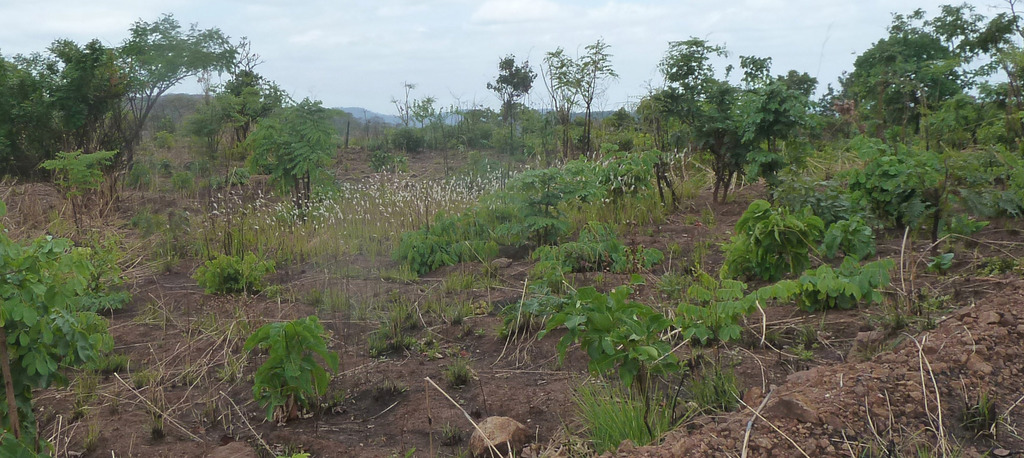
RESEARCH IN ANTHROPOLOGY AND SOCIOLOGY – METHODS AND LAND TENURE APPROACHES IN IMPACT STUDIES ON TWO COMPARATIVE SITES
2016
The importance of land tenure in impact studies
Land tenure is a critical issue in impact assessments. Large infrastructure projects often involve land acquisition. A state-of-the-art review of barriers in impact studies was conducted several times in previous research (2013, 2014, 2015). This study focused more specifically on land tenure issues within impact assessments.
Impact studies in the French context
In France, land legislation and acquisition procedures are relatively clear and regulated. Environmental impact studies are crucial for anticipating and managing environmental challenges through compensatory or mitigation measures. The goal is to reduce the induced effects of operations on natural and landscape heritage.
Social impact is addressed only through public inquiries, which present significant gaps—particularly in support measures, identification of vulnerable groups, conflict prevention, and post-project socio-economic impact evaluation. When land is acquired, compensation is paid to the landowner.
Impact studies and land tenure in the Global South
In the Global South, land impact issues take on a completely different dimension, difficult to address with conventional tools. In Guinea, land tenure is based on customary law and positive law inherited from colonization, complicating land management and acquisition processes.
Moreover, there is no single customary law in Guinea; rather, multiple types exist, varying by ethnic group, resource spaces, and previous land configurations.
Ownership does not concern land or resources themselves but rights—authorized actions on resources. Property rights are primarily relationships between individuals regarding land and natural resources, not direct relationships between individuals and things.
Challenges in managing land acquisition
Project complexity lies in managing land acquisitions. It is difficult to determine the various rights associated with each targeted plot. What rights apply to each parcel subject to acquisition? Who are the “owners,” managers, and users? How can they be identified and compensated fairly?
These land issues involve relationships between individuals concerning land and resources. In exchange for financial compensation for land acquisition, social and political recompositions are inevitable. Actors reactivate history, power relations, and dependencies to gain land legitimacy and access to compensation. These power dynamics create unpredictable challenges.
Barriers and challenges in impact studies
These questions represent major barriers in impact studies and land acquisition operations. There is no universal method applicable to all situations (as demonstrated in our research). A deep understanding of social relations and knowledge of politico-economic management of resource spaces are essential prerequisites for any impact study and land acquisition action. Yet, local monographs are almost nonexistent throughout Guinea.
The importance of precise territorial description
The first result of the experimental protocol is the importance of a detailed description of the general context of the area—a prerequisite before any land study. We conclude that village monographs are an essential methodological prerequisite.
Methodological adjustments for each context
It is crucial to undertake a specific study adapted to the project’s context. Methodology must be adjusted according to each context, as scales vary by region or country. In the Côte d’Ivoire experimental zone, the village is the relevant scale for land management. However, this does not necessarily apply to the Guinea study area.
Land administration practices also differ. In Guinea, planting confers rights to alienation or transmission, but this rule does not apply (or no longer applies) in the Côte d’Ivoire study area.
Land study in Guinea
The land study in Guinea produced several results:
- For the first time, we described in detail the specific management system of the agro-system impacted by mining infrastructure in this zone. This constitutes new knowledge for the Sangaredi area, where no prior information existed. We generated new insights, particularly on land management modalities for a specific agro-system.
- Resource space analysis led to a detailed compensation matrix, including land and crops. Thus, compensation for land acquisition by the project accounts for access and administration modalities of different resource territories—an approach better suited to affected populations.
- By adopting an agro-system approach, we improved identification of project impacts on livelihoods, facilitating the design of more appropriate projects. Understanding this agro-system also helped identify replacement land and resources, improving negotiations with affected populations.
- Monographs proved valuable for understanding power relations in the area. A deep understanding of history and socio-political relationships prevented manipulation by certain local elites at the expense of communities
Land study in Côte d’Ivoire
The land study in Côte d’Ivoire led us to present a detailed conflict note to the client, highlighting the sensitivity of this issue in the project’s specific context. We also argued for prioritizing monetary compensation over in-kind land compensation for acquired plots.
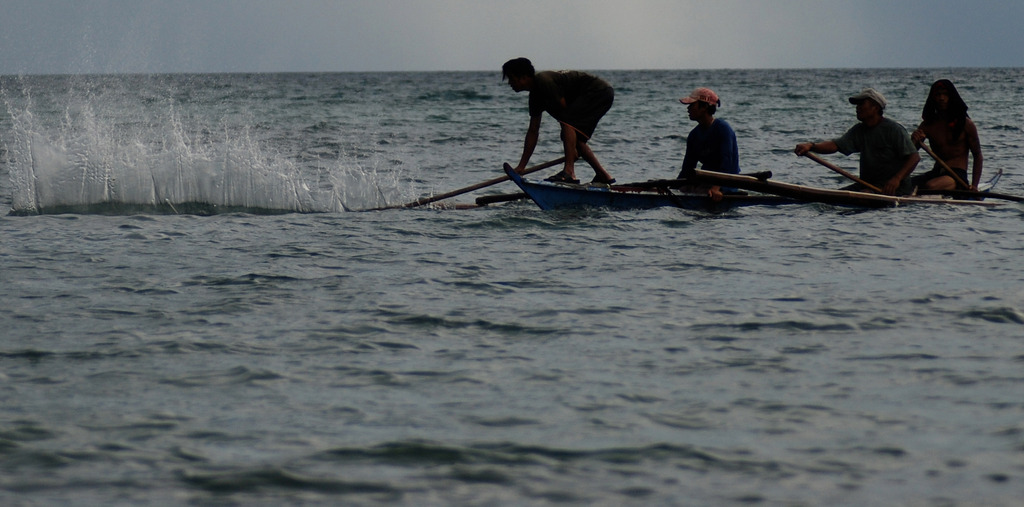
RESEARCH IN ANTHROPOLOGY AND SOCIOLOGY – CHARACTERIZATION OF ARTISANAL FISHING
2014-2015
Seasonal variations in artisanal fishing
Artisanal fishing is subject to numerous seasonal variations. These include the movements of large migratory species and changes in water nutrient content during the rainy season. Physical variations also occur, as fish preservation becomes more challenging during this period.
Socio-cultural factors, such as school calendars and agricultural work schedules, directly influence the number and duration of fishing trips. They also impact economic and political migrations of populations. According to the state of the art, no study conducted at the time of this research considered all these variations simultaneously.
Social impact studies and artisanal fishing
Social risk and impact studies rely on evaluating income generated by artisanal fishing and hunting, as well as their contribution to living standards in regions where these activities are crucial. However, these evaluations are based on extrapolating data collected at a specific point in time, without accounting for significant variations induced by multiple factors.
Impacts of seasonal variations
Seasonal variations affect the density and type of fish and game available. They also create challenges for storage and marketing, including concerns about road conditions and ice supply for preservation.
Other seasonal activities and events, such as agricultural work and religious festivals, generally correspond to reduced frequency of hunting or fishing trips.
In politically unstable contexts, with population movements and increasing poverty, seasonal migrations have consequences for fishing effort, sharing of fishing zones, cash flow, and socio-economic reconfigurations.
These aspects are neither measured nor considered. The inability to conduct observations over a full year makes the timing of surveys critical, as well as the careful weighting of extrapolations.
Producing innovative data
This research generated significant advances in both knowledge and methodology. Field constraints required real-time adjustments to survey and observation tools and led to identifying methodological precautions applicable to other types of studies:
- Accounting for discrepancies between discourse and practice, integrated into error margins to mitigate impact on results.
- Defining the ideal time frame for observations to capture the diversity of activity levels.
- Identifying the optimal frequency of study over a year to establish variation profiles while respecting client budget constraints.
- Weighting declarative data without losing qualitative insights, which are rich in meaning.
- Considering major changes between missions, such as bridge construction or road diversions, which directly impact collected data.
- Accounting for inflation, affecting fishing-related expenses (e.g., equipment purchases) and income (e.g., fish prices).
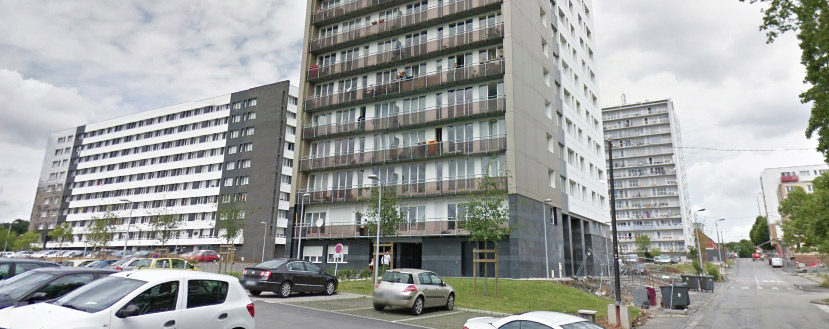
SOCIOLOGICAL RESEARCH – QUALITATIVE INDICATORS TO ASSESS ENERGY CONSUMPTION IN HOUSING
2014
Sociological study and energy consumption
Several tools exist to measure actual energy consumption in housing, such as home instrumentation and CIC modules. However, there are currently no qualitative indicators to measure the real evolution of residents’ comfort.
Energy consumption practices have been relatively underexplored in sociology. Conversely, opinion surveys have developed significantly to quantitatively measure perceptions of comfort.
Gaps in current indicators and studies
Renovation projects generally have a direct impact on residents’ energy consumption. Current indicators and studies do not allow for understanding or sustaining this reduction.
The relationship between objectively measured energy savings and perceived changes in comfort remains unexplored. For example, the rebound effect cancels out energy efficiency gains through changes in consumption behavior—a well-known barrier to reducing energy use.
Its existence highlights that technical progress cannot be disconnected from studying and supporting energy consumption practices. Yet, the phenomenon remains difficult to quantify.
Contributions of this research
In this study, we designed and implemented indicators and tools that can be easily adapted to other studies on similar topics, or even beyond:
- Creation of a series of qualitative indicators focused on data such as feelings and well-being, designed to weight and contextualize physical measurements.
- Development of an energy consumption typology to measure and represent the diversity of consumption profiles.
- Identification of drivers and barriers to energy savings to optimize or reduce their impact.
- Consideration of heterogeneous rehabilitation situations and their impact on tenants’ perceptions of comfort.
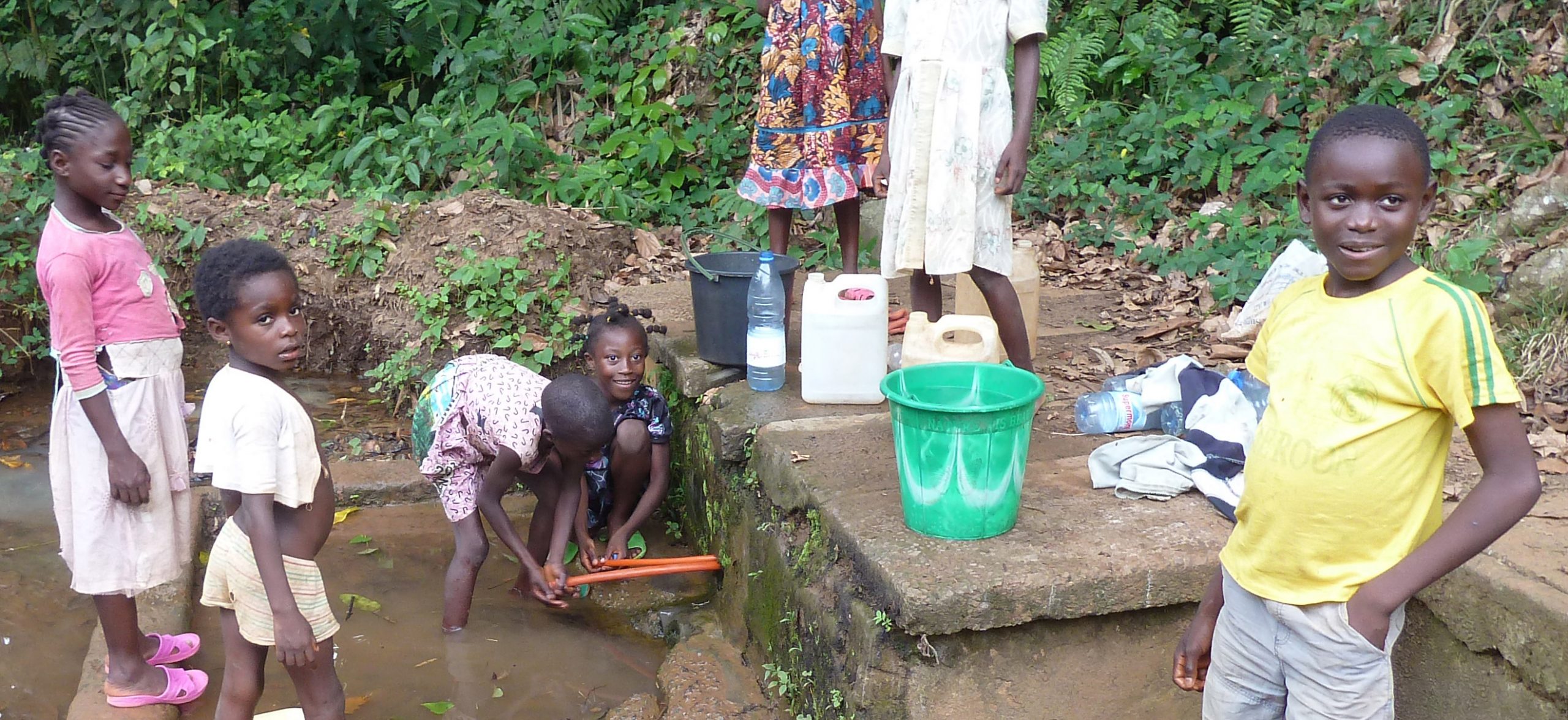
RESEARCH IN ANTHROPOLOGY AND SOCIOLOGY – SOCIAL AND CULTURAL INDICATORS TO ASSESS HYGIENE AND ACCESS TO WATER
2014
VSI-Afrique / REGIDESO RDCongo / IGIP
SOCIOLOGICAL STUDIES
Limited indicators for measuring access to water and hygiene
Existing or proposed indicators for water and hygiene generally measure the proportion of the population with access to an improved water source. They also assess inequalities based on the presence of a potable water point, distance, waiting time, service regularity, as well as age, gender, income, etc.
These elements align with MDG 7C objectives but fail to provide insights into users’ choices or the motivations behind them. For example, a user may prefer collecting water from an unimproved source due to habit, doubts about the quality of supplied water, or because water collection activities are perceived as part of their lifestyle.
A proposed methodology
This research led to the development of a methodology designed to:
- Individualize questions related to the impact of waterborne diseases and time spent collecting water, to better identify vulnerable or disadvantaged groups.
- Integrate the issue of competing uses of the resource (inspired by the Water Poverty Index) and activities associated with water collection.
- Better account for:
a) Handling practices that may degrade the quality of water collected from an improved source;
b) Hygiene practices and household water treatment methods. - Identify critical points at the household level, following an approach inspired by HACCP (Hazard Analysis – Critical Control Points) recommended by WHO (2002) but not yet developed, to characterize practices and material aspects conducive to the emergence or persistence of health and social risks.
- Deepen the knowledge-and-practices approach, to identify potential barriers to improved practices (education, awareness, availability of specific equipment, cost, perceptions, etc.).
RESEARCH IN ANTHROPOLOGY – THE TEK PROJECT – “TRADITIONAL ECOLOGICAL KNOWLEDGE IN THE IMPLEMENTATION OF THE NAGOYA PROTOCOL IN WEST AND CENTRAL AFRICA”
2013
MNHN / GIZ
ANTHROPOLOGICAL STUDIES & LOCAL KNOWLEDGE
Nagoya Protocol and ABS
The overall objective of this research was to propose a new approach and methodology to enable the practical implementation of the Nagoya Protocol at local and national levels in West and Central Africa, thereby overcoming current obstacles.
Research objectives
More specifically, and because it represents the first barrier to applying ABS provisions, the challenge was to find a way to approach TEK (Traditional Ecological Knowledge) and its holders, and to develop a methodology and tools for collecting, capitalizing, and analyzing this knowledge.
CREATION AND IMPROVEMENT OF NEW METHODS FOR DATA COLLECTION AND ANALYSIS
2011 – ongoing
Improving data for the development of new indicators requires evolving collection techniques and methods that allow for capitalizing a large volume of data at the level of individuals, households, and collectives, while preserving their quality and qualitative, contextual nature.
Objectives of this research
The aim is to provide an alternative to conventional approaches and develop a methodology centered simultaneously on the individual, the household, and the collective. The objective is to design a methodological process that enables the homogeneous and standardized collection of qualitative data and systematically produces anthropological knowledge.

CREATION AND IMPROVEMENT OF SOCIO-ECONOMIC INDICATORS IN THE MANAGEMENT OF SOCIAL RISKS AND IMPACTS
2013 – ongoing
Improving data for new indicators requires evolving collection techniques and methods that allow for capitalizing a large volume of data at the level of individuals, households, and collectives, while preserving their quality and their qualitative, contextual nature.
The aim is to provide an alternative to conventional approaches and develop a methodology centered simultaneously on the individual, the household, and the collective. The objective is to design a methodological process that enables the homogeneous and standardized collection of qualitative data and systematically produces anthropological knowledge.

THE PLAT-AN PROJECT: THE SOFTWARE PLATFORM
2013 – 2016
In recent years, AnthropoLinks has been particularly active in the impact assessment sector, leveraging the tightening of international standards on social and cultural issues imposed on industrial operators. AnthropoLinks’ expertise and consulting services address a growing need for socio-anthropological competencies.
The need for tools to represent results
Within this context, gaps were identified in current expertise—both in terms of data collection methodology, analysis (particularly qualitative data), and deliverables (currently in the form of lengthy reports)—as well as in industrial operators’ need for tools that allow them to easily understand local realities, make quick decisions, and implement appropriate actions.
A long-term project
Based on this observation, we conceived the PLAT-AN software platform project, designed to represent social risks and data dynamically, synthetically, and cartographically. Initially, we will develop its first version to meet the needs of this market segment. Subsequently, we plan to extend this tool to other sectors such as agricultural supply chains and environmental governance.