CULTURAL ACTIONS
CULTURAL PROJECTS (SOUND, VISUAL ARTS, AUDIOVISUAL…) TO PROMOTE EXPRESSION AND PARTICIPATION FOR ALL, HIGHLIGHT SOCIETAL ISSUES AND ENABLE A FORM OF FEEDBACK THAT EVERYONE CAN APPROPRIATE
RENEW SOCIOLOGICAL PRACTICE AND DIAGNOSIS THROUGH CULTURAL ACTIONS
AnthropoLinks seeks to place human beings at the center of projects and public policies. We also aim to promote the perspective of social sciences. Moreover, the multiple social crises reaffirm the role of social sciences in shaping projects and public policies. They help us better understand social issues and transformations. Furthermore, they allow the emergence of solutions adapted to territories, populations, stakeholders, and challenges. Ultimately, the social approach fosters social justice and helps prevent conflicts.
Since its creation, our collective has mobilized and re-examined sociological and anthropological practices and methods. To this end, we develop inclusive and participatory approaches. Concrete responses are provided to multifaceted social and cultural challenges. Gradually, AnthropoLinks has also become a space for cultural productions, bringing together artists and cultural approaches within its framework.
We have designed and tested this approach to encourage inclusion and expression among a wide diversity of audiences. AnthropoLinks pays particular attention to so-called invisible publics, also referred to as “the voiceless.”
CULTURAL ACTION PROJECTS THAT MAKE THINGS VISIBLE AND AUDIBLE
To anchor voices so they are no longer ephemeral, to ensure that stories, actions, and actors are visible, we co-produce sound, visual, and textual outputs with residents and local stakeholders.
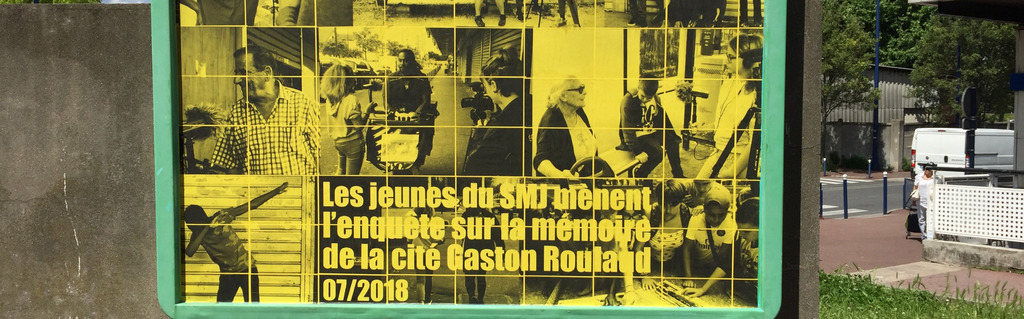
Sound walks, films, blogs, social media, newspapers, posters, and artistic installations in public spaces, etc. We use a variety of media to make visible and audible the reality of neighborhoods and the lived experiences of their inhabitants.
DOCUMENTARY ILLUSTRATION
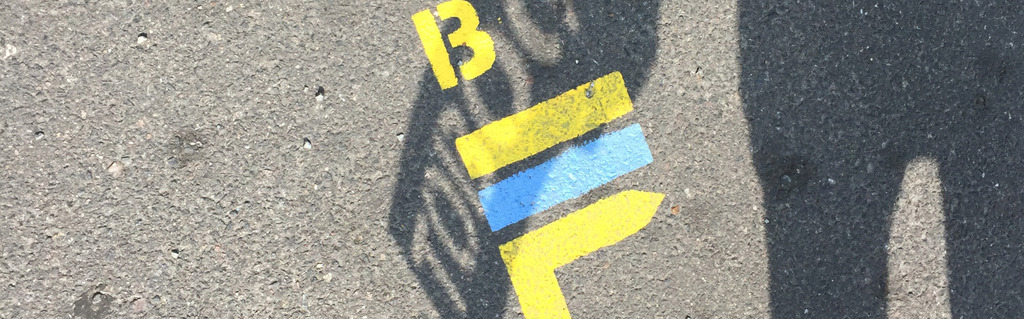
Documentary illustration is a powerful tool for civic engagement. It connects a project to its territory, its residents, and users. It is also a way to collect and consolidate information about a project. Finally, it is a playful and creative communication tool.
Illustrated documents are both explanatory of the project, witnesses of the process, and carriers of testimonial value. This medium serves to reflect the concrete reality of the project on the ground. Long-term engagement can be envisioned, for example, through the regular production of a graphic journal. Residents participate in creating the booklet. They can recognize their territory, their history, and their contribution through drawings and text, making it easier for them to take ownership of the project and engage with it.
The illustrated documentary booklet is both an artwork and a tool for civic participation. Its participatory nature aims to enhance citizens’ voices and representation. It also creates a temporal continuity for projects that unfold over extended periods.
SOUND AND AUDIOVISUAL CREATION
Sound and audiovisual creation is a broad documentary method encompassing several participatory tools: sound walks, installations in public spaces, archiving, interactive listening and viewing platforms, construction of soundscapes mounted as installations in public spaces, enabling residents and users to reclaim places through rediscovery by listening, etc.
These sound and audiovisual elements are assembled as a web radio, a web platform, a sound walk, or an installation in public spaces.
Sound and audiovisual creation are particularly suited to projects focused on memory and heritage.
INSTALLATION OF ARTISTIC DEVICES IN PUBLIC SPACES
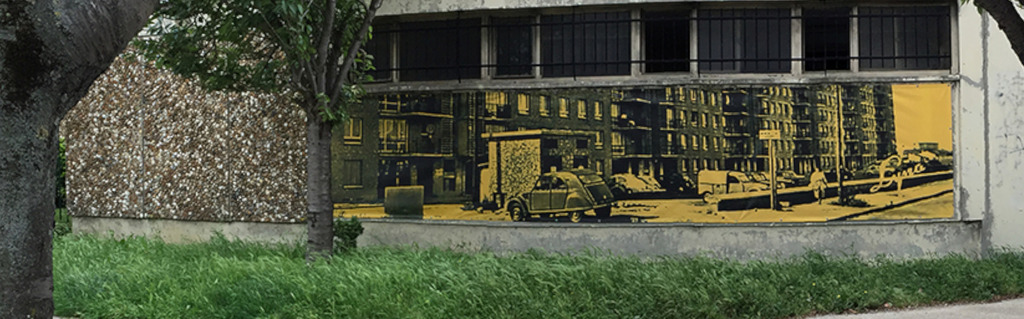
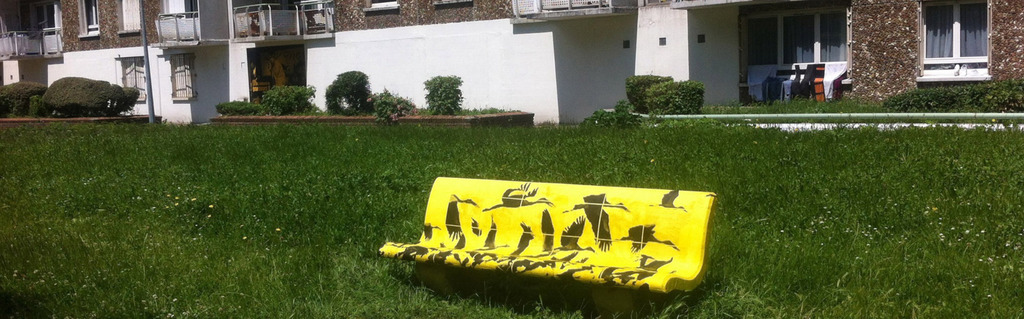
Artistic devices are co-designed with residents and based on project-related resources. They can be installed in public spaces (furniture, posters, collages, etc.). In this way, we seek to spark interest and participation among residents while making project results accessible.
JOURNALISM TRAINING WORKSHOPS, SOUND AND AUDIOVISUAL INVESTIGATION WITH YOUTH
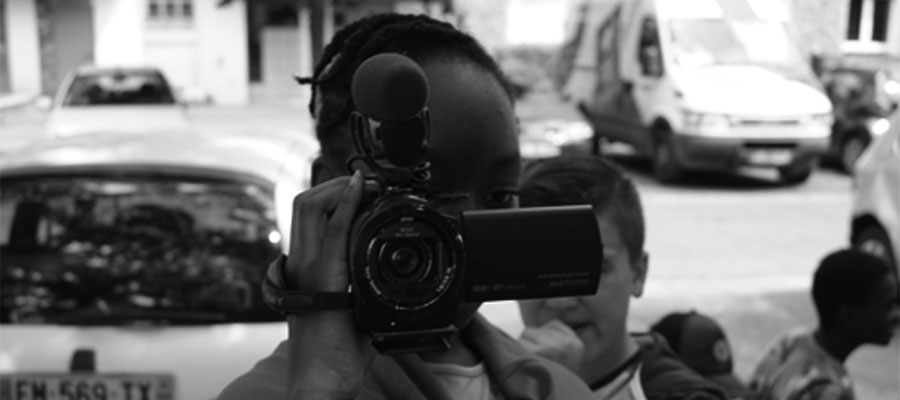
After an introduction to using microphones and cameras, we organize workshops with young residents. For example, they may involve exploring the project site, microphone and camera in hand, to meet stories, places, and people.
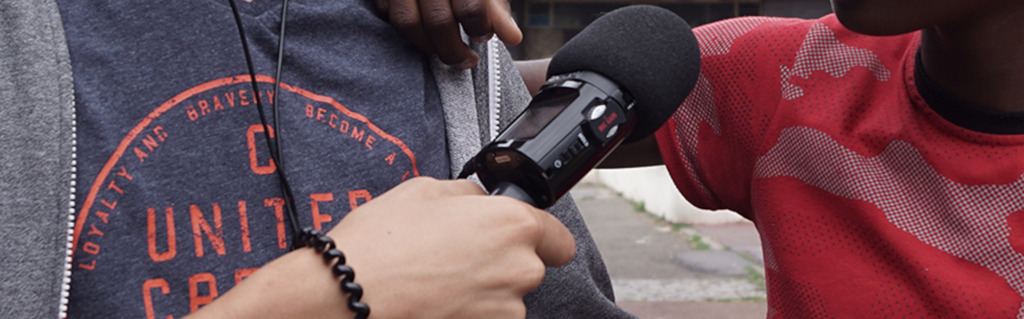
“OUR NEIGHBORHOODS HAVE A VOICE” INITIATIVE
Since 2018, AnthropoLinks has been developing the project “Our Neighborhoods Have a Voice.” It consists of sound and audiovisual creations co-produced with residents and local stakeholders in disadvantaged neighborhoods, such as those targeted by urban policy. These projects are showcased in public spaces.
COMBINING SHARED SOCIAL DIAGNOSIS AND CULTURAL ACTIONS
The “Our Neighborhoods Have a Voice” actions address several objectives:
1) Renew ways of producing social diagnosis by encouraging self-reflection and understanding of others;
2) Develop residents’ empowerment and social cohesion among local stakeholders;
3) Enhance the image of these territories and their inhabitants.
PROMOTING THE IMAGE OF NEIGHBORHOODS THROUGH RESIDENT VOICES
Neighborhoods are too often portrayed negatively and stereotypically. Successes, initiatives, and progress are rarely highlighted. In reality, this devaluation reflects ignorance of the complex and multifaceted realities within neighborhoods. Our projects aim to shed light on everyday life, wealth, talents, life stories, skills, oral memory, successes, opportunities, and challenges through a participatory process. Ultimately, they seek to enhance the image of these territories and their inhabitants, and the diversity of actors involved.
CULTURAL ACTIONS TO STRENGTHEN SOCIAL COHESION AND EMPOWERMENT
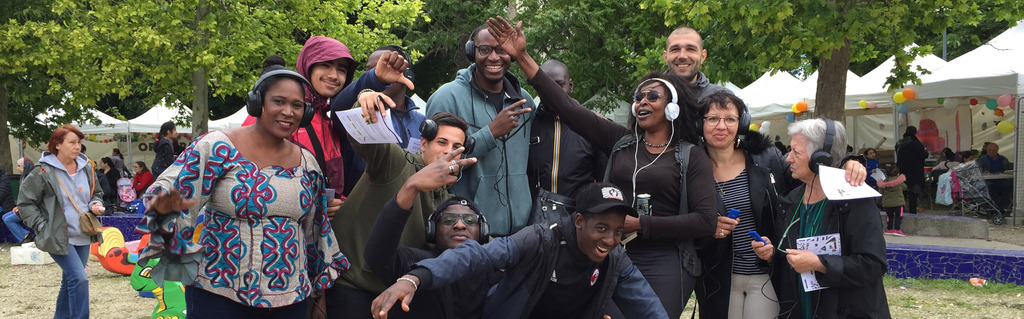
The “Our Neighborhoods Have a Voice” actions also aim to strengthen social cohesion and residents’ empowerment. We involve them from the outset in project creation. We encourage everyone’s expression through co-production of a diagnosis. Training workshops may be offered, along with the establishment or reinforcement of local media cells. Our approach leads residents to meet, interview, share stories, stage themselves, and co-produce content. We also foster networking among local actors and strengthen existing activities.
By giving residents a voice, we aim to recognize them as active citizens capable of contributing their perspectives and critiques to public action, participating in debates, and influencing decisions that concern them.
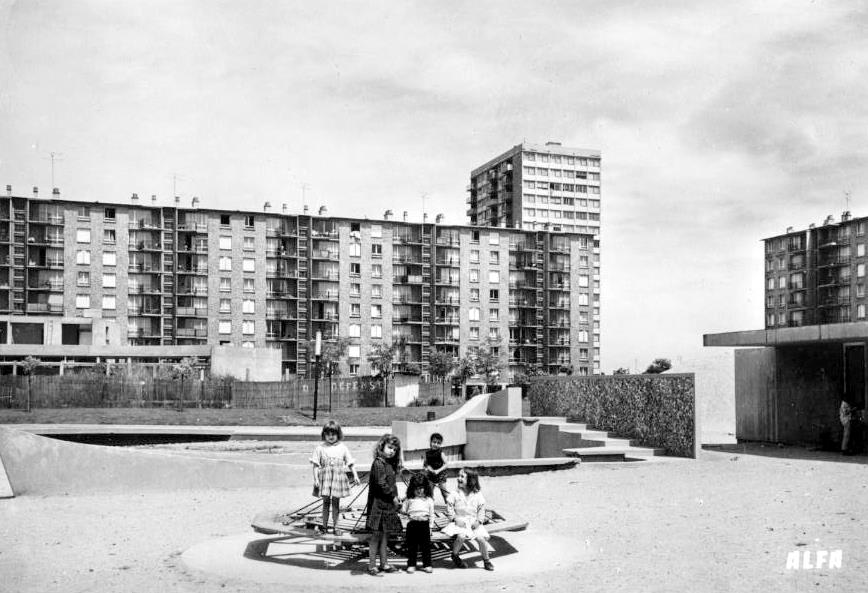
LA CITÉ GASTON ROULAUD – SALENGRO (DRANCY)
Ville de Drancy / ANRU
FRANCE (Drancy) / 2018-2019
Cultural and artistic project focused on the memory of the Gaston Roulaud neighborhood as part of the NPNRU. In this context, AnthropoLinks produced a video and a sound walk based on multiple encounters between the collective, residents, and local stakeholders. These media aim to highlight the richness and uniqueness of the neighborhood.
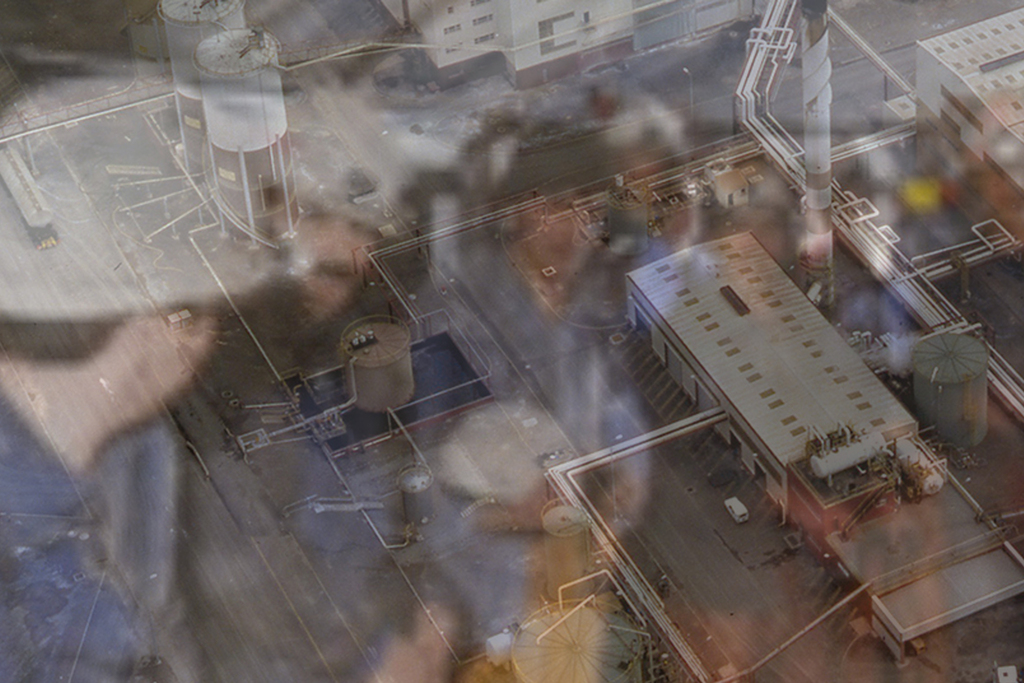
LE SITE PRAE MICHEL CHEVALIER AU BOSC
SEM ARAC OCCITANIE
FRANCE (Lodève) / 2020-2025
In the Lodévois region, the history of uranium has left its mark on the inhabitants, the economy, the landscapes, and their stories. Today, the site is an economic activity zone within the PRAE Michel Chevalier. SEM ARAC Occitanie aims to enhance the attractiveness of this site by showcasing its industrial and mining past. AnthropoLinks and Luna Film were entrusted with this mission. On one hand, the project is based on research into the site’s history and its connection to the territory. On the other hand, it draws on interviews and films with former employees, local residents, former elected officials, and others. Ultimately, it culminates in the drafting of a manuscript.