
Environment and Sustainable Development
OUR PROJECTS
ENVIRONMENT AND SUSTAINABLE DEVELOPMENT:
STUDIES FOR THE IMPLEMENTATION OF MECHANISMS AND PUBLIC POLICIES AIMED AT THE SUSTAINABLE DEVELOPMENT OF A TERRITORY:
Energy, natural areas, nature in cities, resources and waste, water and sanitation systems, climate change…
Environmental challenges to overcome are considerable.
Humans have a central role to play in the sustainable management of the environment.
Local knowledge is an important resource to mobilize for the long-term protection of territories.
- Engagement and participation of local populations
- Fair and equitable sharing related to the use of natural resources
- Risk perception
- Local knowledge
- Resource use
- Environmental management practices
- Conflicts (Humans / Animals, Territories / Protected areas)
- Development of community management plans
- Training

ENVIRONMENT & SOCIAL IMPACTS – SOCIAL DUE DILIGENCE FOR A REFORESTATION / CARBON FINANCE PROJECT
IVORY COAST / 2024
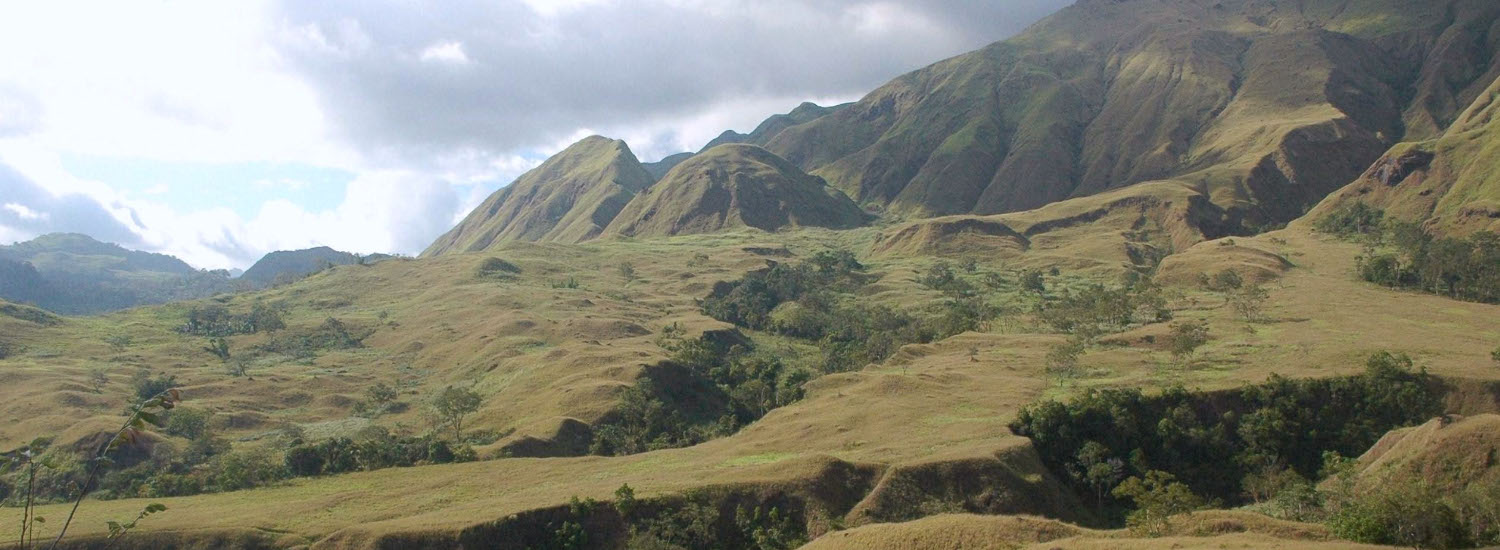
Conduct a prior social due diligence for a reforestation project in a classified forest severely degraded by full-sun cocoa plantations, based on a business model of generating and selling carbon credits. This due diligence includes a review, opinions, and recommendations on identified social risks, as well as on planned social measures, programs, and planning, with a focus on compliance with IFC Performance Standard PS5.
ENVIRONMENT & SUSTAINABLE DEVELOPMENT – MEASURING THE INTANGIBLE EFFECTS OF REWILDING ON LOCAL COMMUNITIES
EUROPE / 2023-2024
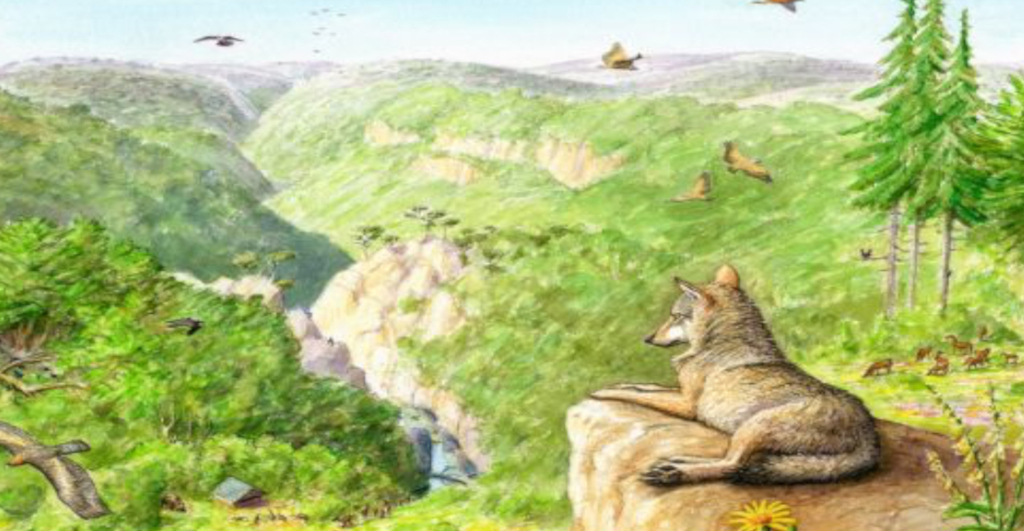
The objective of this study is to create a simple and transparent tool to assess the intangible effects of rewilding. This involved developing indicators and survey methodologies. The protocol targets the 10 intervention landscapes of Rewilding Europe.
FOOD PRACTICES – EFFECTS OF THE URBAN FARM PROJECT ON RESIDENTS’ RELATIONSHIP WITH THE ENVIRONMENT IN THE LA NOUE NEIGHBORHOOD, MONTREUIL
FRANCE (Montreuil) / 2023
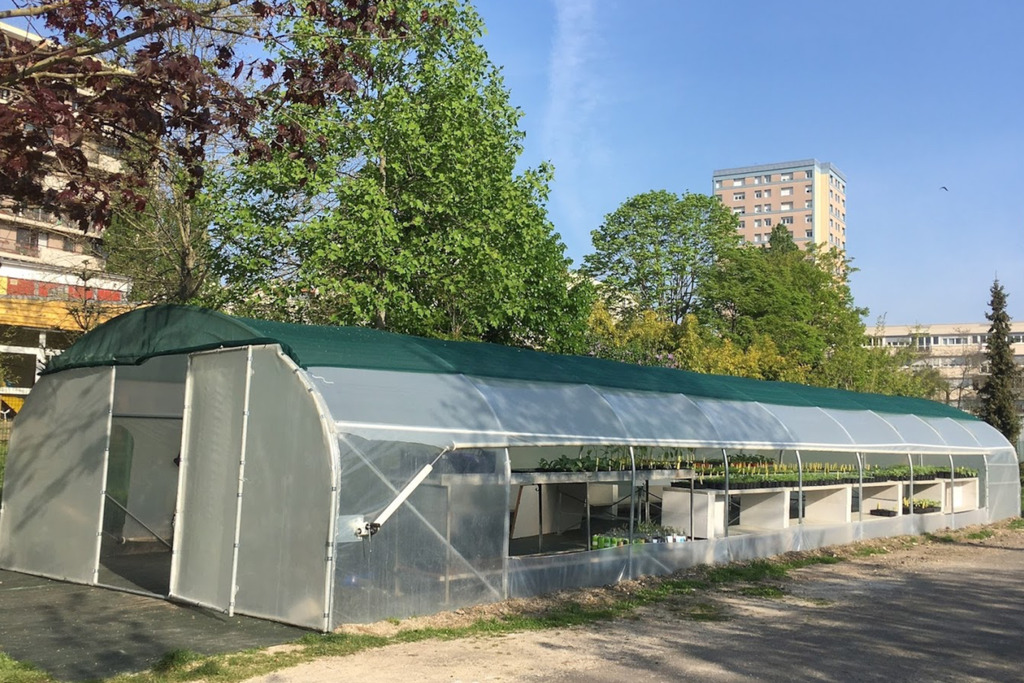
The urban farm project by the association On Sème Tous directly impacts neighborhood biodiversity. It maintains green spaces ecologically and cultivates vegetable varieties, flowers, shrubs, and fruit trees, fostering the development of birds and pollinating insects. The association also combats environmental degradation by promoting circular economy practices such as composting, rainwater harvesting, and material reuse. Additionally, the project raises residents’ awareness of environmental issues through gardening activities and workshops. AnthropoLinks conducted a sociological study to assess the project’s effects on residents’ perception of environmental issues and eating behaviors.
ENVIRONMENT & PROTECTED AREA – SOCIOLOGICAL APPROACH WITHIN THE FRAMEWORK OF MUNICIPAL BIODIVERSITY ATLASES (ABC) IN PERSEIGNE
Parc naturel régional de Normandie-Maine / Office français de la biodiversité (OFB)
FRANCE (Normandie) / 2021-2023
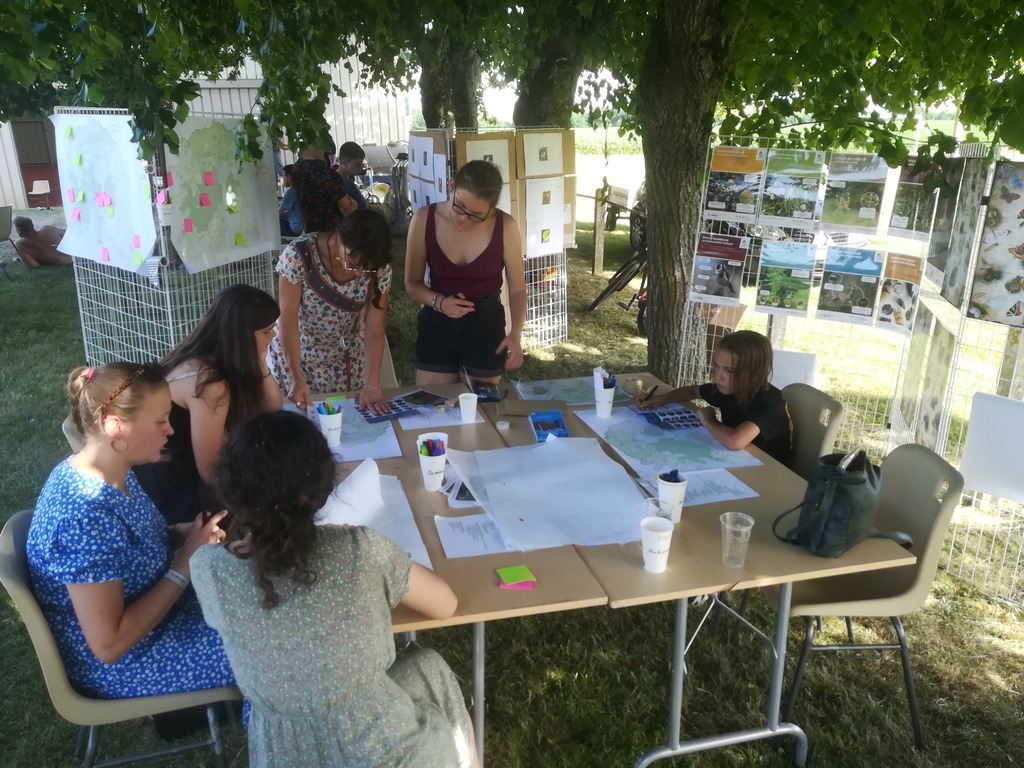
Since 2018, the Normandie-Maine Regional Nature Park has been committed to developing Municipal Biodiversity Atlases (ABC). As their implementation involves naturalist experts, local stakeholders, and citizens, ABCs are seen as tools for raising awareness and fostering citizen ownership of biodiversity issues. The objectives of this study were to characterize residents’ knowledge levels and uses of identified spaces and species, gather their perceptions and emotional connections, and assess their understanding of biodiversity preservation issues. A cross-analysis of residents’ and experts’ perspectives was conducted, resulting in the development of issue maps.
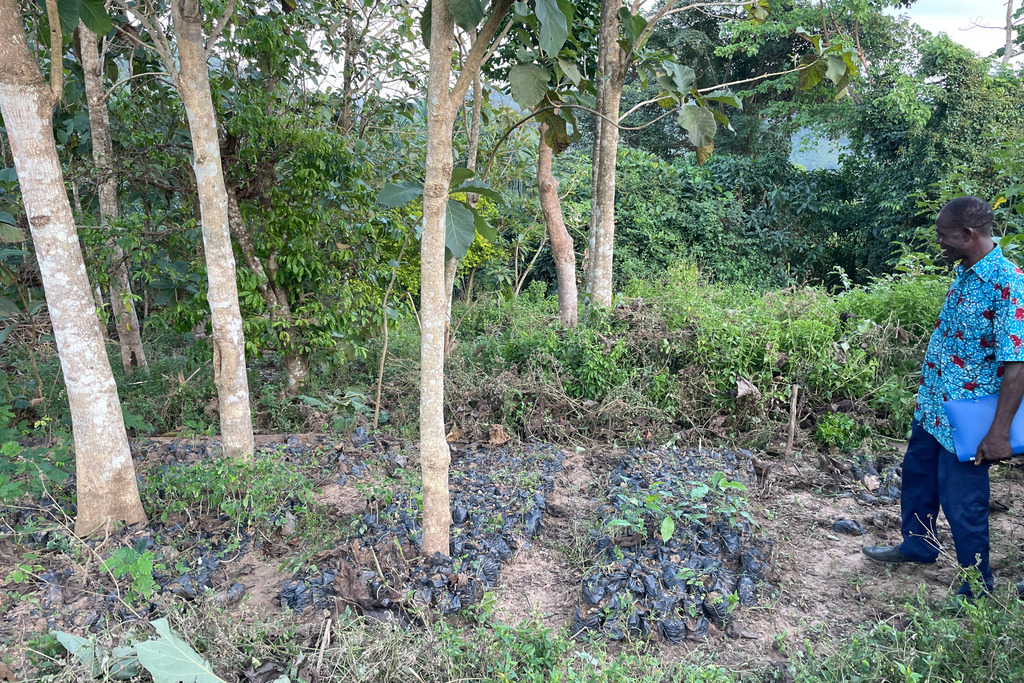
ENVIRONMENT & SOCIAL IMPACTS – SCOPING STUDY FOR AN AGROFORESTRY / CARBON FINANCE PROJECT
SALVATERRA
TOGO / 2022-2023
The Plateaux-Ouest region is severely affected by deforestation. Introducing fertilizing trees into fields and plantations aims to help farmers restore degraded land and cultivate continuously without external inputs. The project seeks to establish large-scale forest and agroforestry plantations eligible for carbon certification. A preliminary diagnostic was carried out to size future studies and identify key issues to address.
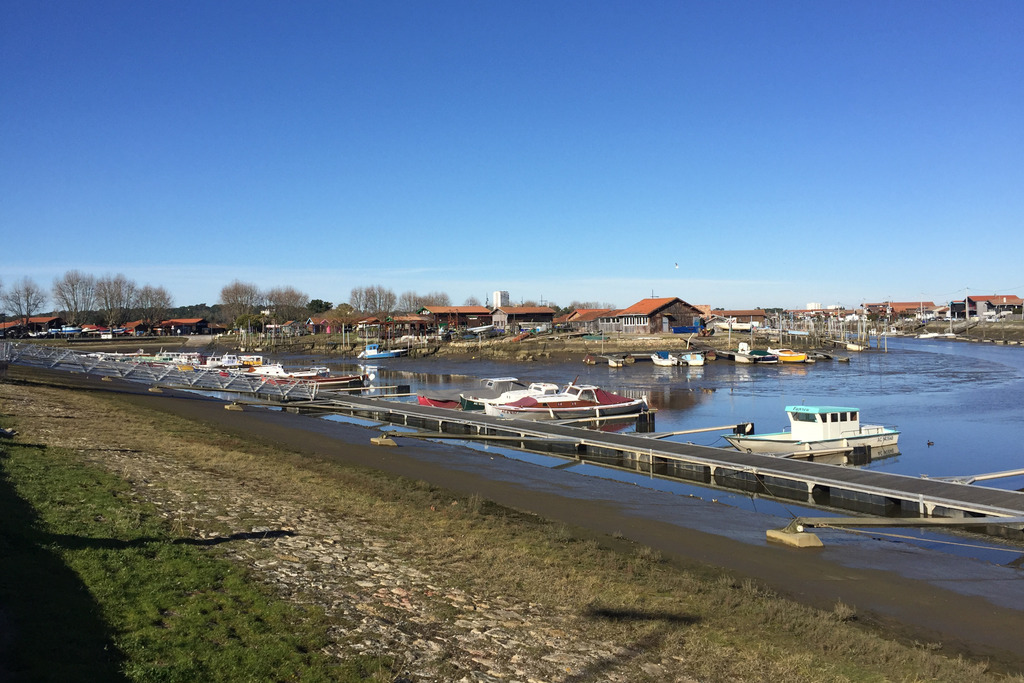
SOCIOLOGICAL STUDY & PROTECTED AREA – PRACTICES OF BOAT MAINTENANCE AMONG LEISURE USERS AND FUTURE PERSPECTIVES
Parc naturel marin du Bassin d’Arcachon (PNMBA) / Office français de la biodiversité (OFB)
FRANCE (Bassin d’Arcachon) / 2020-2021
In line with its objectives to preserve marine ecosystems and related activities, the Arcachon Basin Marine Nature Park initiated a collaborative approach with boating professionals to identify alternatives to the widespread use of antifouling paints, harmful to the environment, during hull maintenance. The first step was a large-scale survey of leisure users’ maintenance practices. The findings will help adapt ongoing discussions with boating stakeholders to boaters’ expectations and prioritize experiments on alternative products, processes, and economic models for implementation.
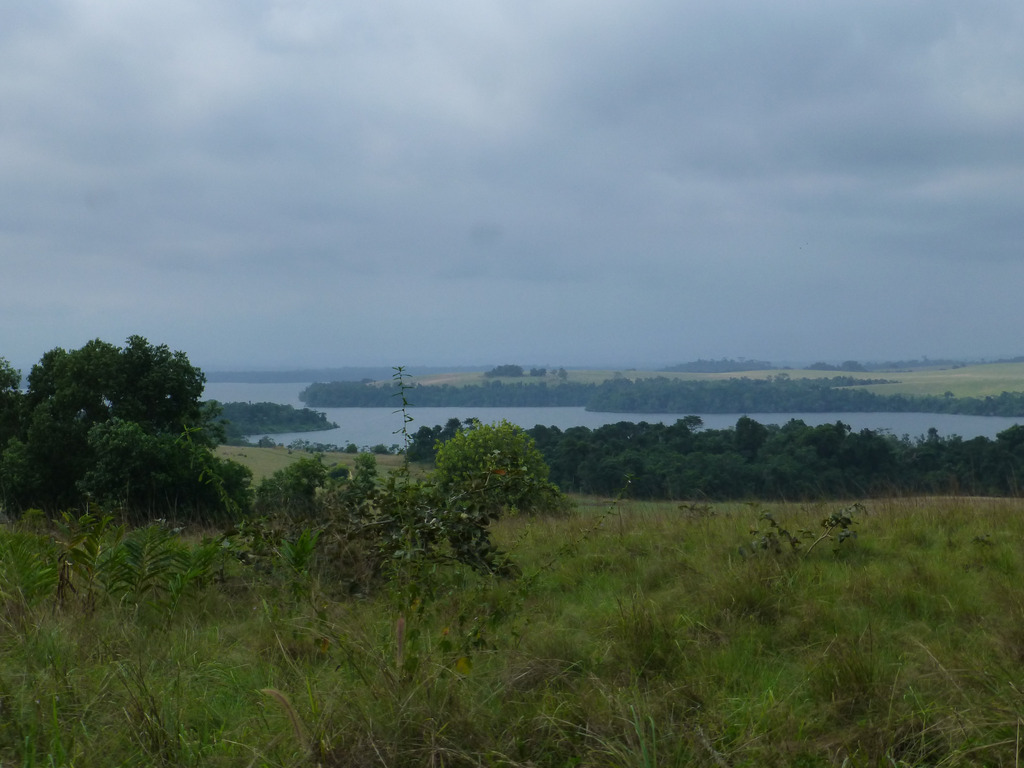
ENVIRONMENT & INDIGENOUS PEOPLE – FEASIBILITY STUDY FOR THE SUSTAINABLE LAND USE PROGRAM (PUDT)
Agence française du développement (AFD) / ONF International
REPUBLIC OF CONGO / 2020-2021
On September 3, 2019, the Presidents of the Republic of Congo and France signed a Letter of Intent under the Central African Forest Initiative (CAFI) to support Congo’s economic diversification policy aimed at combating poverty and climate change. Six strategic axes were defined by the Letter of Intent’s Programmatic Framework (the Sustainable Land Use Program – PUDT – falls under axes 1 to 4). We supported teams on issues related to indigenous peoples, FPIC processes, stakeholder engagement, and grievance mechanisms as part of the feasibility study for the PUDT.
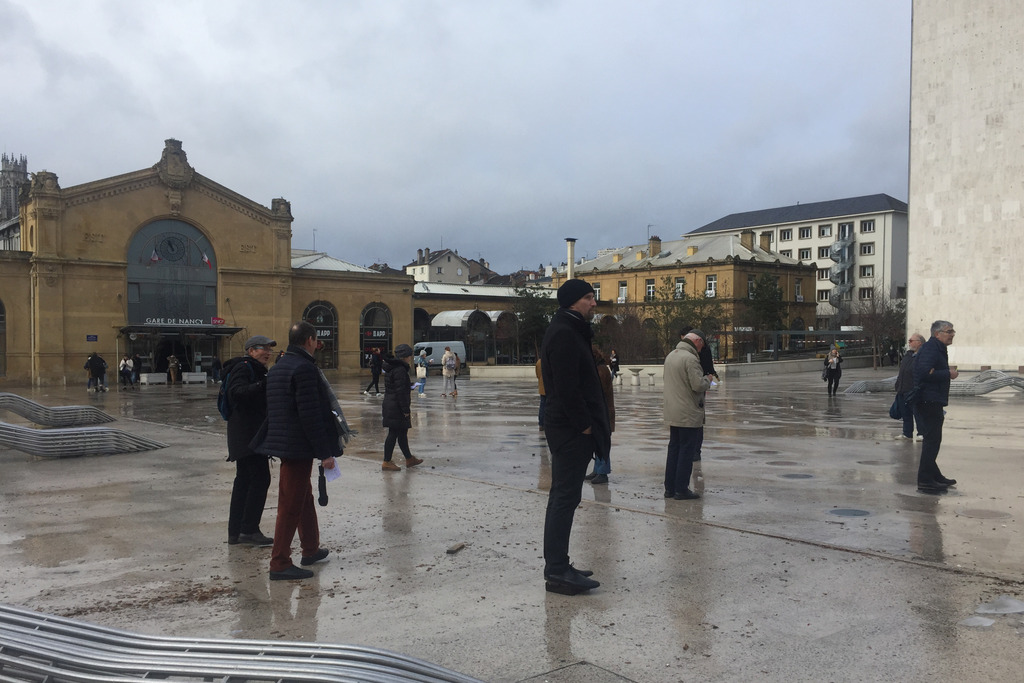
URBAN PLANNING – SOUND ENVIRONMENT
Conseil du Développement Durable du Grand Nancy / Collectif Vues d’Ici
FRANCE (Métropole du Grand Nancy) / 2019-2020
Just like the green and blue infrastructure, a soundscape framework could help guide territorial planning. It could also serve planners, urban designers, and land-use experts by integrating this essential quality of our living spaces into planning documents and urban projects. Sound quality—the ability to listen and perceive sounds—is a key component of well-being in a territory. It is also essential for its attractiveness and identity. One of the project’s challenges and objectives was to collectively define, in co-production with residents, a methodology for qualifying the sonic identity of public spaces (typology).
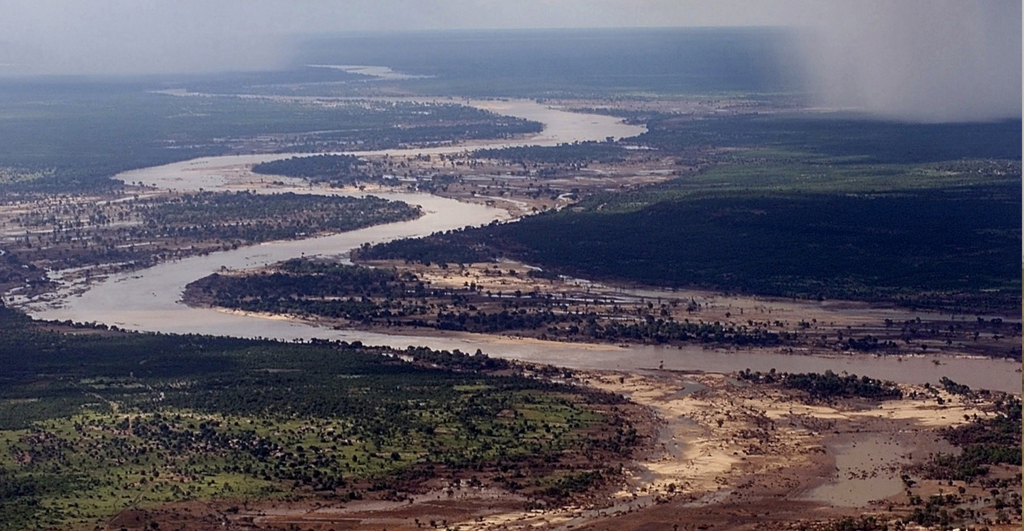
ENVIRONMENT & SOCIAL IMPACTS – LIMPOPO BASIN CLIMATE RESILIENCE PROJECT
Oréade Brèche
MOZAMBIQUE / 2018
This mission was conducted as part of the “Feasibility Studies for Strengthening Climate Change Adaptation in the Limpopo Basin.” AnthropoLinks carried out a global review and a rapid critical analysis of available environmental and social studies (ESIA, ESMP, etc.), considering the potential involvement of private investors and financiers.
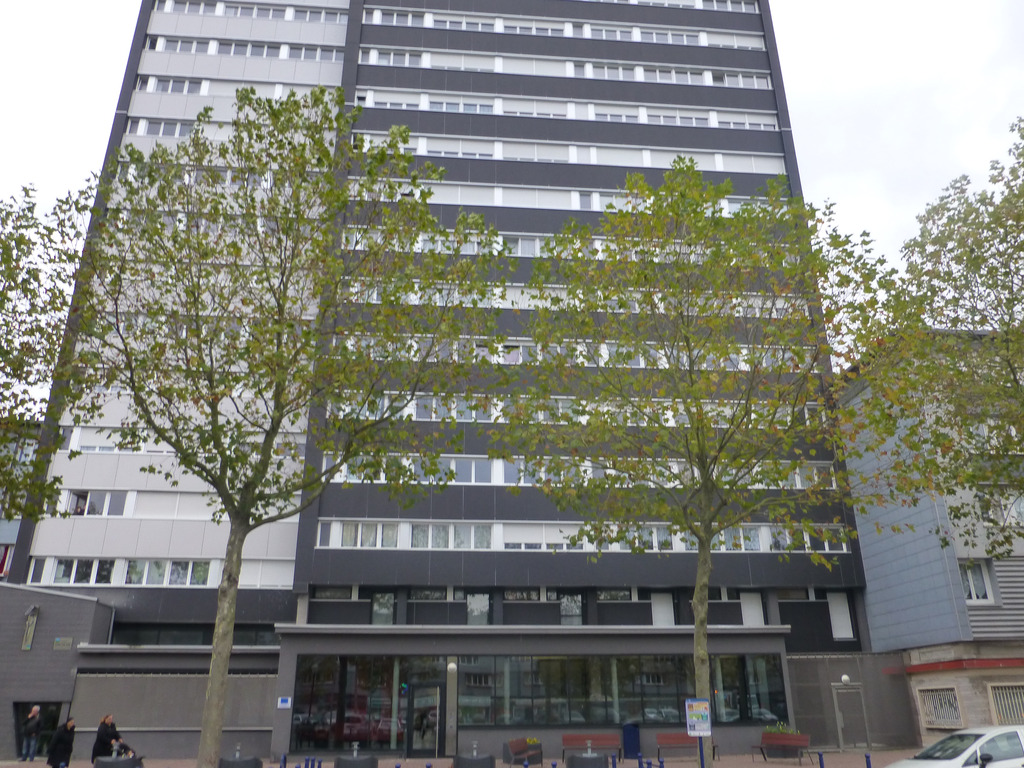
SOCIOLOGICAL STUDY & URBAN PLANNING – ENERGY RENOVATION AND REBOUND EFFECTS
Association Régionale pour l’Habitat / CEREMA, la DREAL / Région Haut de France
FRANCE (Région Haut de France) / 2014-2016
A social survey was conducted to assess the impact of landlord awareness initiatives. The first objective was to understand how tenants appropriated new housing. The approach involved analyzing their discourse and practices. Additionally, a socio-technical analysis was undertaken, combining instrumentation data and sociological analysis. Ultimately, the aim was to explore household energy consumption practices and representations. Integrating these two approaches allowed for a more refined analysis of consumption, helping to better control errors and obtain more reliable results.
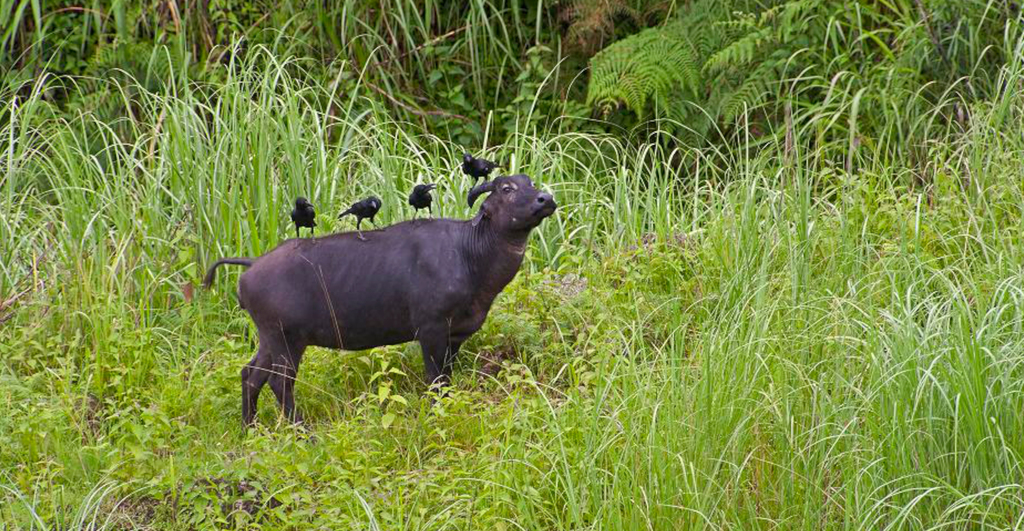
ENVIRONMENT & PROTECTED AREA – COMMUNITY MANAGEMENT PLAN
Noé Conservation / DENR / AFD / MNHN
PHILIPPINES / 2014
This socio-anthropological study was conducted as part of implementing a community-based management model for a protected area. It explored indigenous Mangyan knowledge and practices for managing natural resources. The analysis also focused on social, economic, and identity-related issues linked to competition and conflicts among actors over land and resource management. Observing stakeholder dynamics within arenas associated with Iglit-Baco Park was central to this study, as was analyzing multi-stakeholder governance. Finally, it examined forms of civil society and indigenous participation in this context.
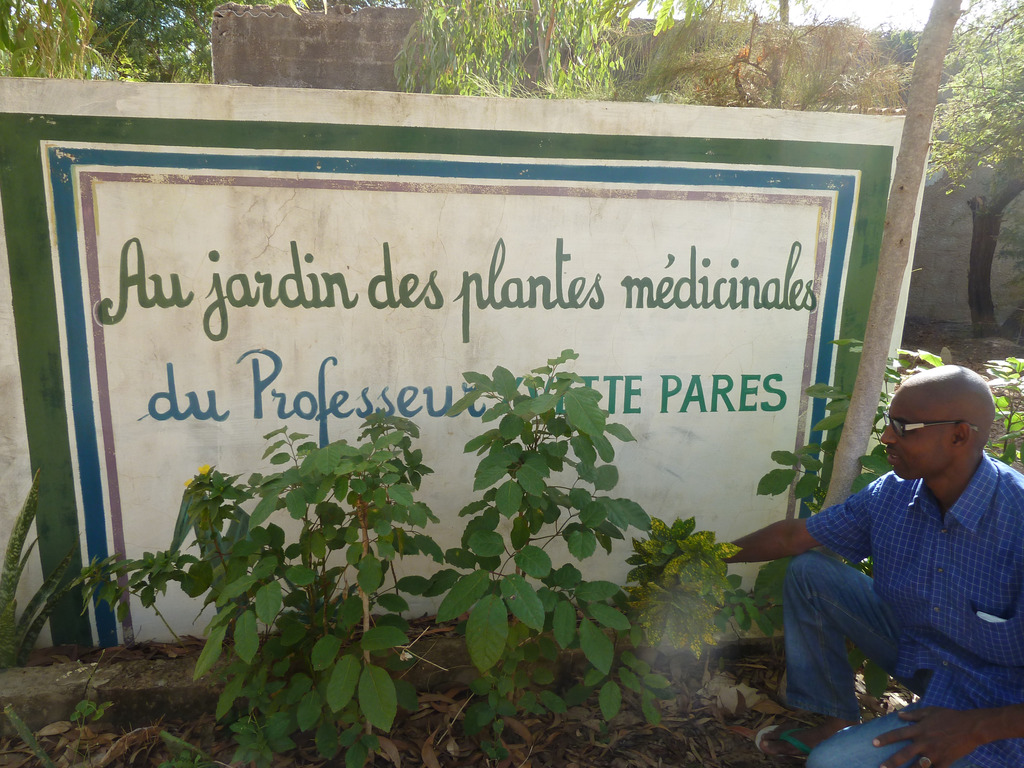
ENVIRONMENT & BIODIVERSITY – FAIR AND EQUITABLE SHARING OF BENEFITS FROM THE USE OF GENETIC RESOURCES
GIZ / Muséum national d’histoire naturelle
FRANCE, BENIN, CAMEROON, SENEGAL / 2013
The recognition of indigenous knowledge has gained prominence internationally in recent decades. The tenth meeting of the Conference of the Parties to the CBD in Nagoya revived the debate on access to genetic resources and the fair and equitable sharing of benefits arising from their use. To implement this concept, preliminary research is needed to determine which types of knowledge have economic value, where they are found, and in what form. To address these questions, GIZ and MNHN, in collaboration with AnthropoLinks, launched a project to inventory sources of indigenous knowledge related to biodiversity in West and Central Africa.
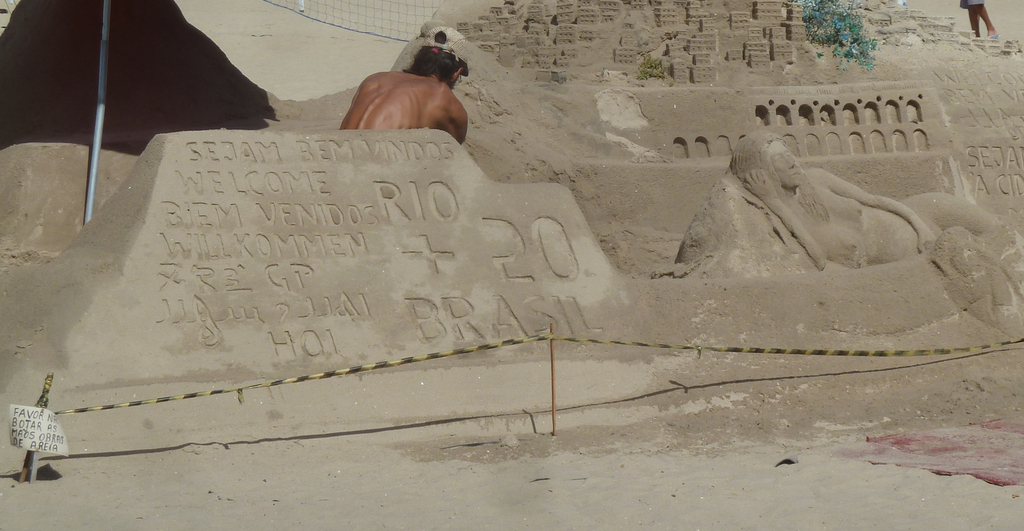
ENVIRONMENT – BIODIVERSITY : RIO + 20
MNHN / INCT-PPED / CNPq
BRASIL (Rio) / 2012
Environmental Governance, Biodiversity, and Culture: a reflection for Rio + 20. Our participation in this multi-stakeholder workshop aimed to reflect on progress made since the ratification of the Convention on Biological Diversity (CBD) in 1992. Recommendations were drafted for the next meeting of the parties in June in Rio.
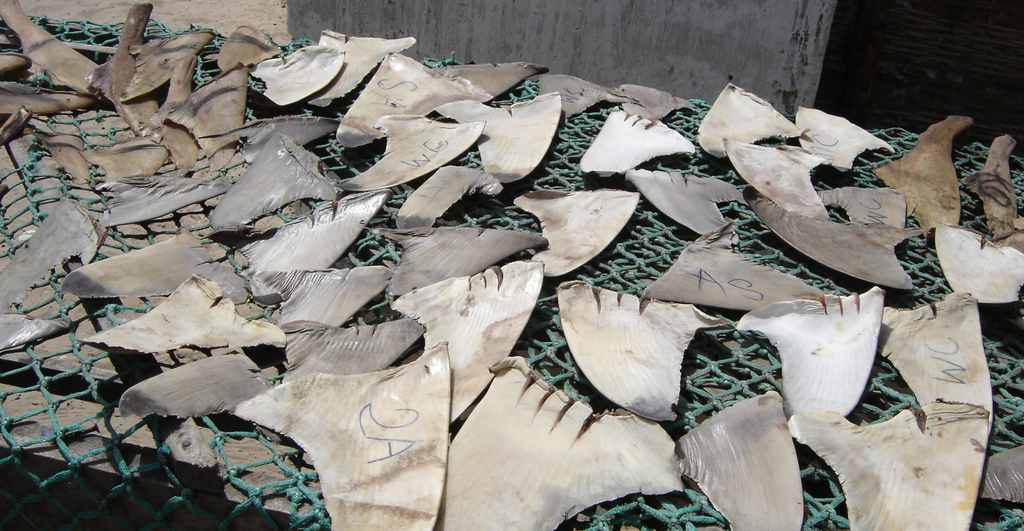
ENVIRONMENT & BIODIVERSITY – Convention on Biological Diversity (CBD)
MEDDTL
KENYA / JAPAN / 2010-2011
Expert delegated by the French Ministry of Environment: Convention on Biological Diversity (CBD); CBD Liaison Group on Bushmeat (Nairobi, June 7–10, 2011); 10th Conference of the Parties to the CBD (CBD-COP 10). Focus on Articles 8j and 10c (Nagoya, November 2011).
ENVIRONMENT & SUSTAINABLE DEVELOPMENT – ADDRESSING CLIMATE CHANGE
Unesco
INTERNATIONAL – 2009
As part of identifying and evaluating projects applying to the participatory forum “On the Frontlines of Climate Change,” our goal was to select relevant initiatives. This forum is specifically designed for vulnerable local communities. We sought to highlight projects that meet these communities’ specific needs and contribute significantly to resilience against climate challenges.
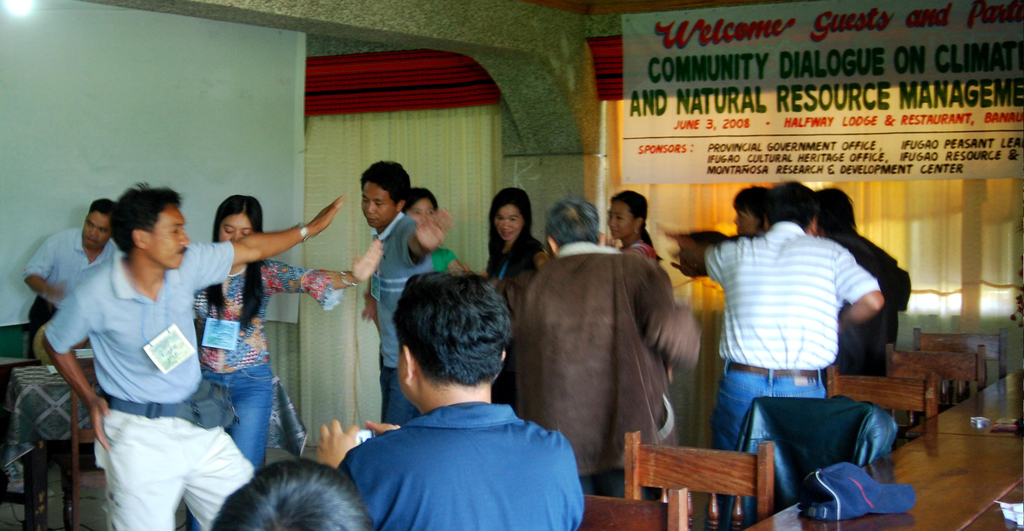
ENVIRONMENT & INDIGENOUS PEOPLE – COMMUNITY DIALOGUE ON CLIMATE CHANGE
Montanosa Research and Ecology Center / Muséum national d’Histoire naturelle / Académie d’agriculture de France
PHILIPPINES / 2008
As part of designing and facilitating a community dialogue on climate change, we mobilized various NGOs and the Ifugao populations in the Philippines. The central objective was to identify the concrete impacts of climate change on local communities. To this end, we implemented a process to collect knowledge and adaptation practices developed within these populations. This collaborative approach aimed to create a deep understanding of the challenges faced by local communities and foster the emergence of tailored solutions.